Debt Consolidation Savings Calculator
Enter your current debt details and proposed new loan terms to see if consolidation saves you money.
| Metric | Current Setup | New Loan | Difference |
|---|---|---|---|
| Principal | - | - | - |
| Interest Rate | - | - | - |
| Total Cost | - | - | - |
You’re staring at three credit card statements, a lingering medical bill, and maybe a small personal loan from last year. The minimum payments are eating your paycheck, and the interest feels like it’s growing faster than you can pay it down. You’ve heard people talk about taking out one big loan to wipe the slate clean. But does that actually work? Or is it just swapping one debt problem for another?
The short answer is yes, you can get a loan to pay off debt. This process is called debt consolidation. It involves taking out a new loan-usually a personal loan or a balance transfer credit card-to pay off multiple existing debts. Ideally, this leaves you with one monthly payment instead of five, often at a lower interest rate. But it’s not magic. If you don’t change your spending habits, you might end up in more debt than before.
How Debt Consolidation Actually Works
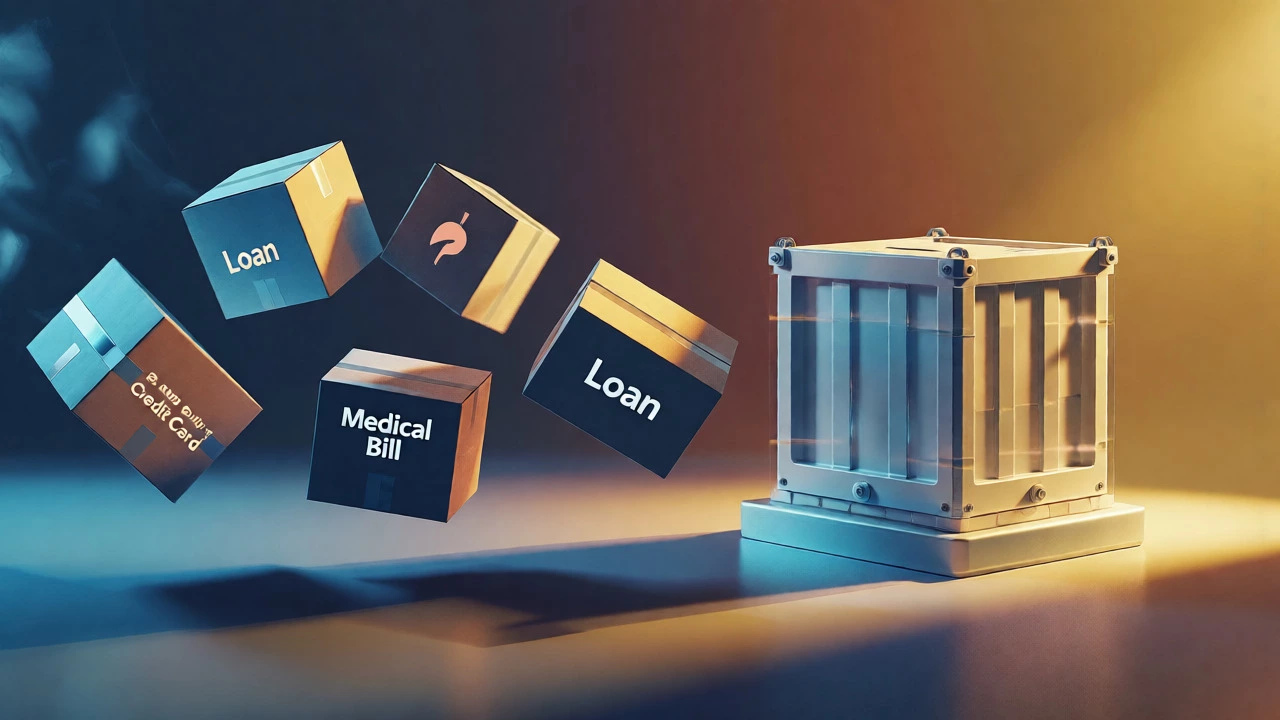
Think of debt consolidation as moving all your heavy boxes into one sturdy crate. Instead of carrying five separate bags (your debts), you carry one large box (the new loan). The weight doesn’t disappear, but it becomes easier to manage if the handle is comfortable (lower interest) and the box is strong enough (manageable terms).
Here’s the typical flow: You apply for a personal loan from a bank, credit union, or online lender. If approved, the lender pays off your existing creditors directly or gives you the cash to do it yourself. Your old accounts close or hit zero. Now, you owe money to only one entity. You make one fixed monthly payment until the loan is paid off.
This works best when you have high-interest unsecured debt, like credit cards. Credit card APRs in Australia often sit between 15% and 22%. Personal loans, depending on your credit score, might offer rates between 6% and 12%. That gap is where your savings live.
When Is It a Good Idea?
Not everyone should consolidate. It’s a tool, not a cure-all. You should consider it if:
- Your interest rates are high: If your current debts average above 10-12%, a consolidation loan could save you thousands over time.
- You have good-to-excellent credit: Lenders reserve their best rates for borrowers with scores above 700 (or equivalent Australian credit ratings). If your score is poor, you might not qualify for a rate lower than what you already pay.
- You need simplicity: Managing multiple due dates and varying minimum payments causes stress. One payment reduces mental load.
- You want a fixed timeline: Credit cards allow you to pay forever. A loan has a set term (e.g., 3-5 years), forcing you to become debt-free by a specific date.
Conversely, skip it if you still have bad spending habits. If you clear your credit cards with a loan but then start using them again, you’ll have the loan payment plus new card debt. That’s a recipe for disaster.
Types of Loans You Can Use
You aren’t limited to just standard personal loans. Several options exist, each with different pros and cons.
| Loan Type | Best For | Interest Rate Range (Approx.) | Pros | Cons |
|---|---|---|---|---|
| Personal Loan | Unsecured debt like credit cards | 6% - 15% | Fixed payments, predictable payoff date | Straight-line amortization; fees may apply |
| Balance Transfer Card | Smaller balances ($5k-$20k) | 0% intro (12-24 months) | No interest during promo period | Transfer fees (2-3%); high rate after promo ends |
| Home Equity Loan | Homeowners with equity | 5% - 8% | Lowest rates possible | Risk losing home if you default; closing costs |
| Debt Management Plan | Those who can't qualify for loans | Negotiated reductions | Closed accounts; single payment via agency | Limited flexibility; potential credit impact |
A balance transfer card is great if you can pay off the balance within the promotional period. But beware: if you miss a payment, the 0% rate can vanish instantly. Home equity loans offer low rates because they’re secured against your property. But remember, you’re putting your roof on the line.
The Hidden Costs Nobody Talks About
Lenders don’t give you money out of kindness. They charge fees. Before signing, ask about these:
- Origination Fees: Many lenders deduct 1% to 6% of the loan amount upfront. If you borrow $20,000 with a 5% fee, you only receive $19,000 but owe $20,000 plus interest.
- Prepayment Penalties: Some loans charge a fee if you pay them off early. This defeats the purpose if you plan to accelerate repayments.
- Annual Fees: Less common on personal loans but check the fine print.
Calculate the total cost, not just the monthly payment. A lower monthly payment might mean a longer term, which increases total interest paid. Use an online calculator to compare the "total cost of borrowing" for your current setup versus the new loan.
Step-by-Step: How to Apply
Ready to try it? Here’s how to execute this without messing up your credit score.
- List all debts: Write down every creditor, balance, interest rate, and minimum payment. Be honest.
- Check your credit report: Ensure there are no errors dragging down your score. In Australia, you can get a free copy from services like Equifax or Experian once a year.
- Shop around: Don’t just go to your current bank. Compare offers from online lenders, credit unions, and peer-to-peer platforms. Look for pre-qualification tools that let you see rates without a hard credit inquiry.
- Apply for the loan: Once you choose a lender, submit your application. Provide proof of income, employment, and identity.
- Pay off old debts: As soon as funds arrive, pay off the old creditors immediately. Do not leave the cash sitting in your checking account.
- Close or freeze old accounts: To avoid temptation, close the credit cards or keep them frozen. If you must keep them open, remove saved card numbers from online shopping sites.

Common Pitfalls to Avoid
I’ve seen people fall into the same traps repeatedly. First, treating the new loan as "extra room." You freed up your credit limit, so you spend more. Stop that. Second, ignoring the behavior change. Debt isn’t just a math problem; it’s a habit problem. If you don’t address why you accumulated debt, you’ll repeat it.
Another mistake is choosing the longest term available to minimize monthly payments. While a $300 payment feels better than $500, paying over 7 years instead of 3 means you’ll pay significantly more in interest. Aim for the shortest term you can comfortably afford.
Frequently Asked Questions
Will consolidating debt hurt my credit score?
Initially, yes. Applying for a loan triggers a hard inquiry, which can drop your score by a few points. Also, closing old credit accounts might reduce your average account age. However, over time, making consistent on-time payments on the new loan will boost your score. Plus, reducing your credit utilization ratio (by paying off revolving debt) often leads to a net positive impact within 6-12 months.
Do I need collateral for a debt consolidation loan?
Most personal loans used for consolidation are unsecured, meaning you don’t need to put up assets like a car or house. However, secured loans (like home equity loans) require collateral and typically offer lower interest rates. If you have poor credit, a secured loan might be your only option for a reasonable rate.
Can I use a debt consolidation loan for student loans?
Generally, no. Refinancing federal student loans with a private personal loan means you lose federal protections like income-driven repayment plans and forgiveness options. Private student loans can sometimes be refinanced, but personal loans usually have higher rates than dedicated student loan refinancers. Check specifically for student loan refinancing products rather than general personal loans.
What happens if I can’t pay the new loan?
You face similar consequences to any unpaid debt: late fees, increased interest rates, and damage to your credit score. If it’s a secured loan, the lender can seize the collateral (e.g., foreclose on your home). Unlike credit card companies, some lenders can sue you for the deficiency balance if the collateral sale doesn’t cover the full debt.
Is debt consolidation the same as debt settlement?
No. Debt consolidation means you pay back the full amount owed, just under different terms. Debt settlement involves negotiating with creditors to accept less than the full balance as final payment. Settlement often requires stopping payments first, which hurts your credit significantly, and forgiven amounts may be taxable income. Consolidation is generally safer for those who can still make regular payments.