Home Insurance Cost Estimator
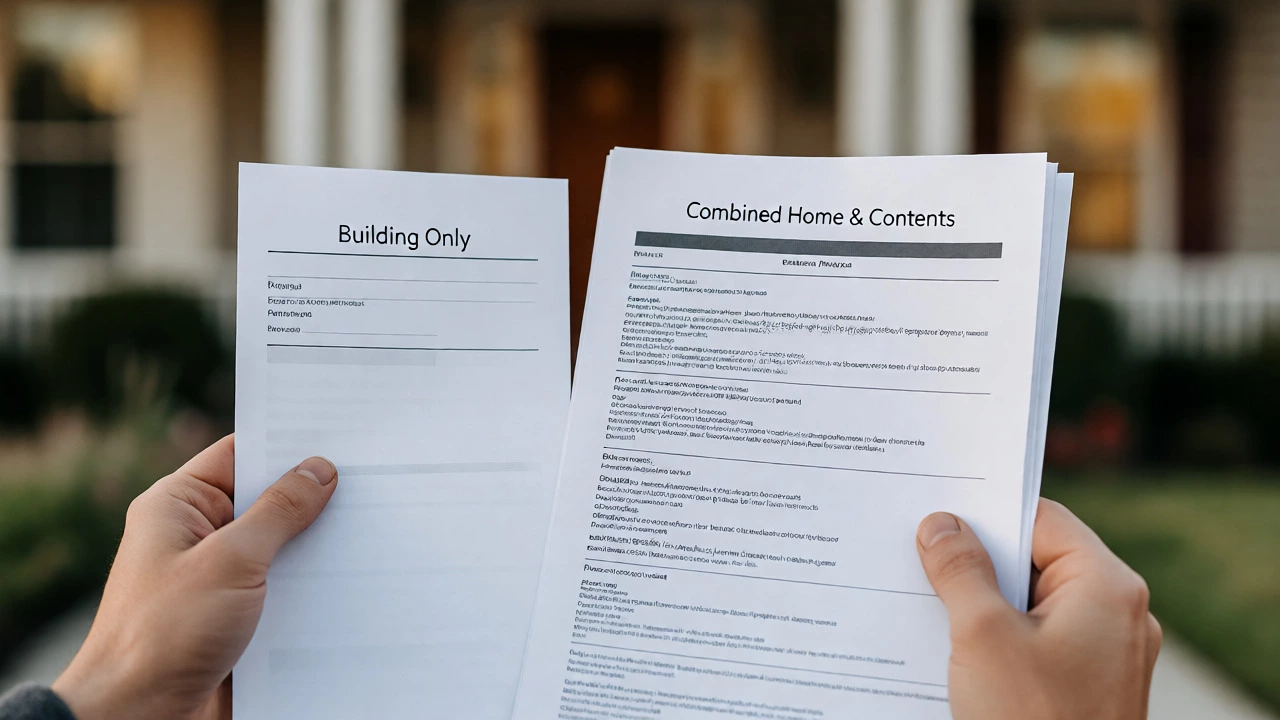
This tool helps you estimate potential savings by comparing Building Only vs. Combined Home & Contents policies. Adjust the sliders to see how deductibles and coverage levels impact your annual premium.
Your Property Details
Estimated Annual Premiums
Enter your details and click Calculate to see estimates.
You walk into a comparison site, type in your postcode, and suddenly you're drowning in quotes. One says $400, another screams $1,200 for what looks like the exact same house. Why? Because "home insurance" isn't one thing. It's a bundle of different protections, and some are way cheaper than others. If you're hunting for the cheapest home insurance, you need to know which layer of protection you're actually buying.
The short answer? Building-only insurance is almost always the cheapest option. Building insurance covers the physical structure of your home-walls, roof, floors, and fixed fixtures like built-in cabinets. It doesn't care about your TV, your clothes, or that expensive sofa you bought last year. Because it covers less risk (just bricks and mortar), the premiums drop significantly compared to policies that also cover your personal belongings.
Breaking Down the Three Main Types
To find the lowest price, you have to understand what you're cutting out. There are three standard configurations for home cover in Australia:
- Building Only: Covers the house itself. Best for landlords or owners who don't mind replacing their own stuff if disaster strikes.
- Contents Only: Covers your movable possessions. The house could burn down, but this policy pays for your laptop and furniture. This is often cheap too, but risky if you own your home.
- Combined (Home & Contents): The full package. Protects the structure and your stuff. This is the most common choice for homeowners, but also the most expensive.
If you rent, you likely only need Contents insurance. Landlords usually carry Building insurance. But if you own your home outright or have a mortgage, lenders typically require at least Building insurance. That’s your baseline. Adding Contents pushes the cost up, sometimes by 50% or more depending on how much "stuff" you claim to own.
Why Building-Only Is Cheaper
Insurance companies price risk based on probability and payout size. Rebuilding a wall after a storm is predictable. Replacing a collection of vintage guitars or high-end electronics involves theft, accidental damage, and higher administrative costs.
Let's look at the math. In Sydney, a typical detached house might cost $800,000 to rebuild. A standard building-only policy might run between $300 and $600 a year. Add contents coverage for an average household (say, $150,000 worth of goods), and that premium can jump to $900-$1,400. You’re paying extra for two things:
- Theft Coverage: Insurers assume people steal things from homes more often than they destroy houses.
- Accidental Damage: Spilling red wine on carpet is a claim. A cracked foundation is not.
If you strip away those extras, the price drops. Some insurers offer "Fire and Storm" only building policies, excluding flood or subsidence. These are dirt cheap-sometimes under $200 a year-but they leave you exposed to the most common natural disasters in many parts of Australia. Be careful with the fine print.
What Actually Drives Up the Price?
Even within the "cheapest" category, prices vary wildly. It’s not just about the type of policy; it’s about your specific situation. Here’s what insurers look at when calculating your quote:
| Factor | Impact on Cost | How to Lower It |
|---|---|---|
| Location | High. Flood zones and bushfire areas cost more. | Hard to change, but check if your area has been re-zoned recently. |
| Security Features | Medium. Alarms and locks reduce risk. | Install monitored alarms or deadbolts for discounts. |
| Claims History | High. Past claims signal future risk. | Avoid claiming for small amounts to keep your no-claims bonus. |
| Sum Insured | Direct link. Higher cover = higher premium. | Review annually. Don’t over-insure contents you no longer own. |
| Excess Amount | Inverse link. Higher excess = lower premium. | Raise your voluntary excess if you have savings to cover it. |
Notice the "Excess" row. This is the easiest lever you can pull. If you agree to pay the first $1,000 of any claim yourself, instead of the standard $500, your annual premium could drop by 10-15%. For many people, this is the smartest way to get the cheapest home insurance without sacrificing actual protection.
Is "Cheap" Always Better?
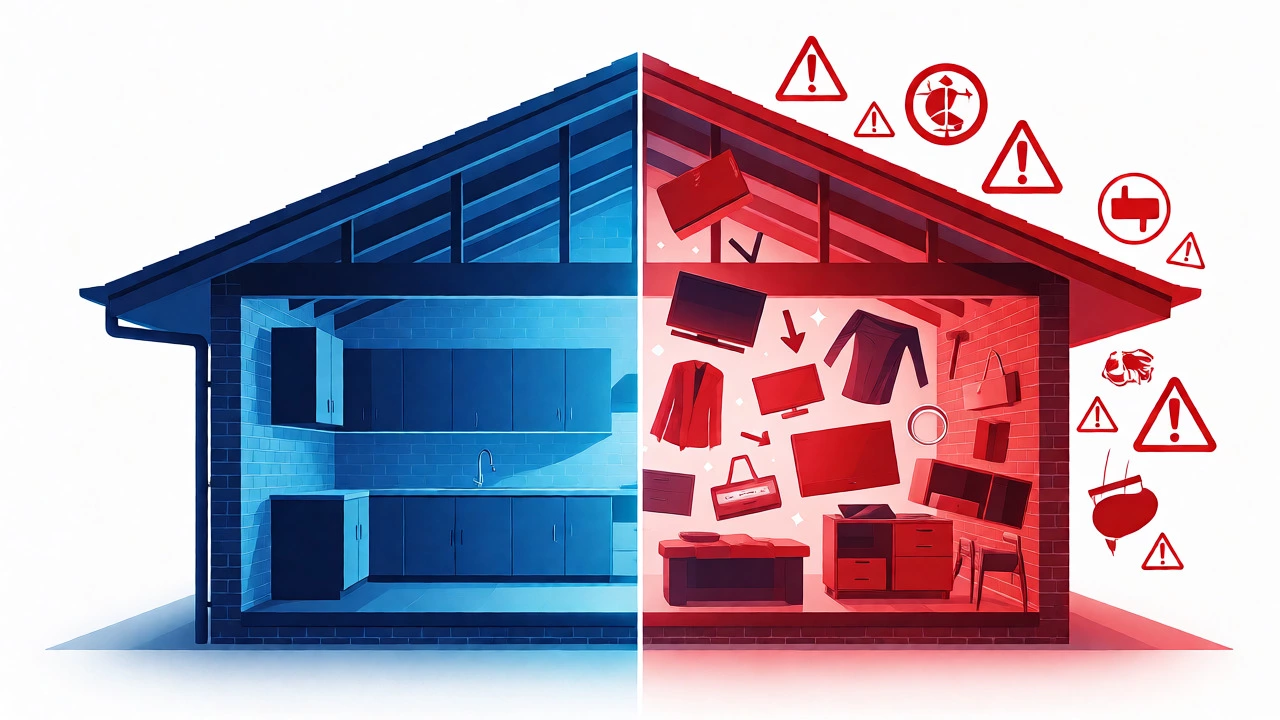
Not necessarily. A $200 policy sounds great until you realize it excludes water damage from burst pipes-a very common issue in older Australian homes. Or maybe it caps your emergency accommodation at $500, while a slightly pricier policy offers $5,000.
You need to balance cost against exclusions. Ask yourself: What is the worst-case scenario I’m willing to self-fund? If you have $10,000 in an emergency fund, raising your excess makes sense. If you’re living paycheck to paycheck, a higher premium with a lower excess might be safer, even if it’s not the absolute cheapest number on the screen.
Practical Tips to Slash Your Premium
Ready to hunt for deals? Here’s how to get the best rate for the type of cover you need:
- Bundle Policies: If you have car insurance, buy your home policy from the same provider. Multi-policy discounts often range from 5% to 15%.
- Pay Annually: Monthly payments often include interest or admin fees. Paying upfront can save you 5-10% over the year.
- Update Your Details: Did you renovate? Install a new security system? Tell your insurer. Old data leads to inaccurate quotes.
- Check Direct vs. Broker: Comparison sites show big brands, but smaller direct-to-consumer insurers sometimes undercut them by offering leaner products with fewer perks.
- Review Contents Value: Most people overestimate their contents. Do a quick inventory. If you’ve sold your old gaming PC or donated books, update the sum insured.
Also, consider the timing. Renewal periods often see price hikes. Shopping around 30 days before renewal gives you leverage. Call your current provider, tell them you’ve found a cheaper quote, and ask if they’ll match it. Many will, especially if you’ve been a loyal customer with no claims.

When Cheap Isn’t Enough
There are scenarios where going for the bare minimum building-only cover is a mistake. If you live in a strata apartment, you might think you only need contents insurance because the body corporate covers the building. But check your by-laws. Sometimes the body corporate only covers the exterior shell, leaving internal walls and fixtures to you.
Similarly, if you work from home with expensive equipment, a basic contents policy might exclude business-related items. You’d need a rider or a specialized policy, which costs more. Don’t let the allure of a low sticker price blind you to gaps in coverage that could cost thousands later.
Frequently Asked Questions
Which is cheaper: building or contents insurance?
Generally, building-only insurance is cheaper than combined home and contents policies. However, contents-only insurance can sometimes be cheaper than building-only if the declared value of your belongings is low and the property structure is complex or high-risk. For most homeowners, building-only is the lowest-cost mandatory option.
Can I cancel my contents insurance to save money?
Yes, if you own your home and are willing to replace your belongings out-of-pocket after a loss. However, if you have a mortgage, lenders may require both building and contents cover. Check your loan agreement before cancelling.
Does a higher excess make my insurance cheaper?
Yes. Agreeing to pay a higher voluntary excess (the amount you pay towards each claim) reduces the insurer's risk and lowers your annual premium. Just ensure you have enough savings to cover the excess if you need to claim.
Is renters insurance the cheapest type?
Renters insurance (contents only) is often quite affordable, typically ranging from $15 to $40 per month in Australia. Since it doesn't cover the building structure, it avoids the high costs associated with rebuilding materials and labor.
What voids a cheap home insurance policy?
Common voiders include unattended open windows during storms, unauthorized renovations, or failing to disclose previous claims. Even cheap policies have strict conditions. Read the Product Disclosure Statement (PDS) carefully to avoid rejected claims.