Credit Score Impact Calculator
Enter Your Current Debt Situation
People turn to consolidation loans because they’re drowning in credit card bills, medical debts, or multiple personal loans. The idea is simple: take one new loan to pay off everything else, then make a single payment each month. It sounds like a lifeline. But a lot of people worry-do consolidation loans hurt your credit? The answer isn’t yes or no. It’s more like: it depends on how you do it.
How consolidation loans work in real life
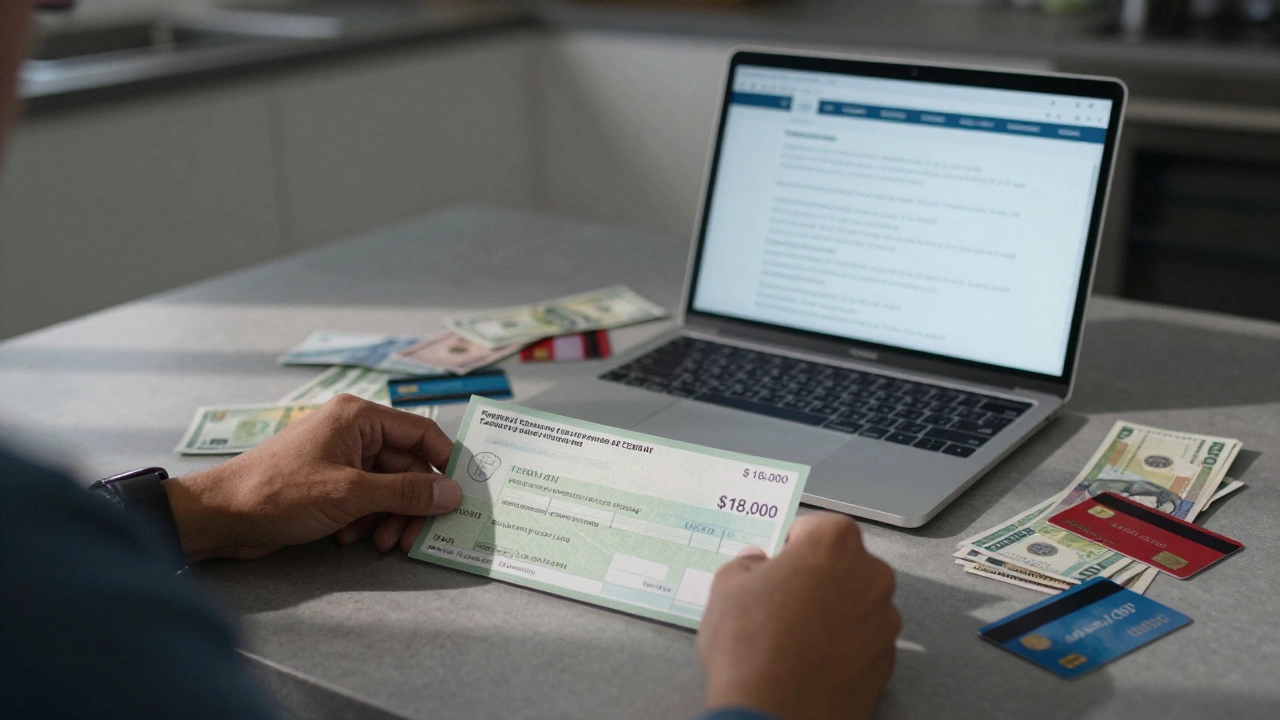
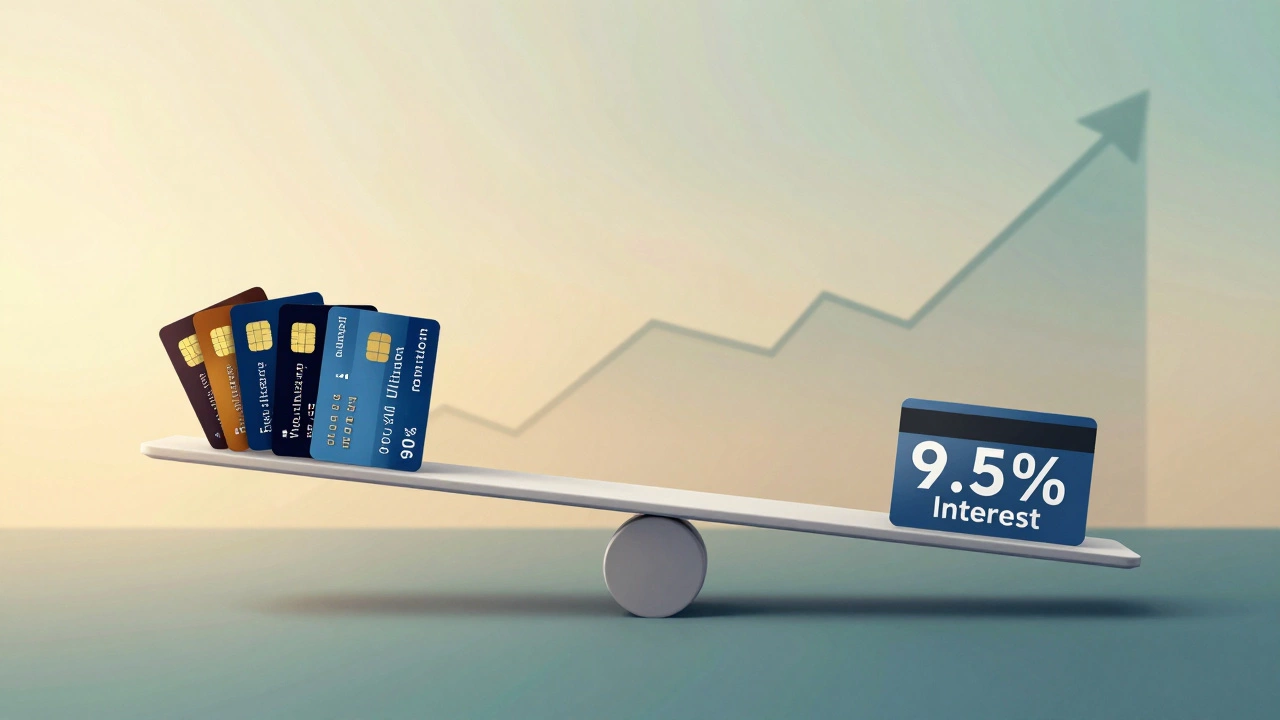
A consolidation loan combines several debts into one. Say you’ve got five credit cards with balances totaling $18,000, each with interest rates between 18% and 24%. You apply for a personal loan for $18,000 at 9.5%. You use that loan to pay off all five cards. Now you’ve got one monthly payment instead of five. That’s the goal.
This isn’t magic. It doesn’t erase debt. It just rearranges it. But the way you handle it makes all the difference to your credit score.
The short-term dip: why your score might drop at first
When you apply for a consolidation loan, the lender checks your credit. That’s a hard inquiry. Each one can knock 5 to 10 points off your score. That’s not huge, but it’s there.
Then there’s the new account. A brand-new loan shows up on your credit report. New accounts lower the average age of your credit history. Since length of credit history makes up about 15% of your score, this can cause a small, temporary dip.
And here’s the big one: if you pay off your credit cards with the loan, your credit utilization rate changes. Your utilization is the percentage of your available credit you’re using. If you had $20,000 in total credit limits across cards and were using $18,000, that’s 90% utilization-terrible for your score. Paying those cards off with a loan drops your utilization on those accounts to 0%. That should help your score, right?
But here’s the catch: credit scoring models look at both revolving accounts (like cards) and installment loans (like personal loans). When you close your credit cards, you lose that available credit. So even though your utilization on cards drops to zero, your total available credit also drops. That can make your overall utilization look worse if you still carry a balance on the new loan.
So yes, in the first 1 to 3 months after getting a consolidation loan, your score might dip by 10 to 20 points. That’s normal. It’s not a disaster. It’s just the system adjusting.
The long-term boost: how it can actually help your credit
Here’s where most people get it wrong. They think the loan is the fix. It’s not. The fix is what you do after you get it.
If you pay your consolidation loan on time every month, for six months or more, your score starts climbing. On-time payments make up 35% of your credit score. That’s the biggest piece. A consistent payment history with a new loan signals to lenders you’re reliable.
Also, if you keep your credit cards open after paying them off-with zero balances-you’re keeping your total available credit high. That keeps your overall utilization low. Even if you’re carrying a balance on your consolidation loan, your total utilization across all accounts might be much lower than before.
For example: before the loan, you had $20,000 in credit limits and $18,000 in debt. Utilization: 90%. After the loan, you still have $20,000 in available credit (cards open), but now you owe $18,000 on the loan and $0 on cards. Your utilization across all accounts is now 90% again-but now it’s on an installment loan, which is treated differently by scoring models. More importantly, you’ve cleared your cards. That’s a win.
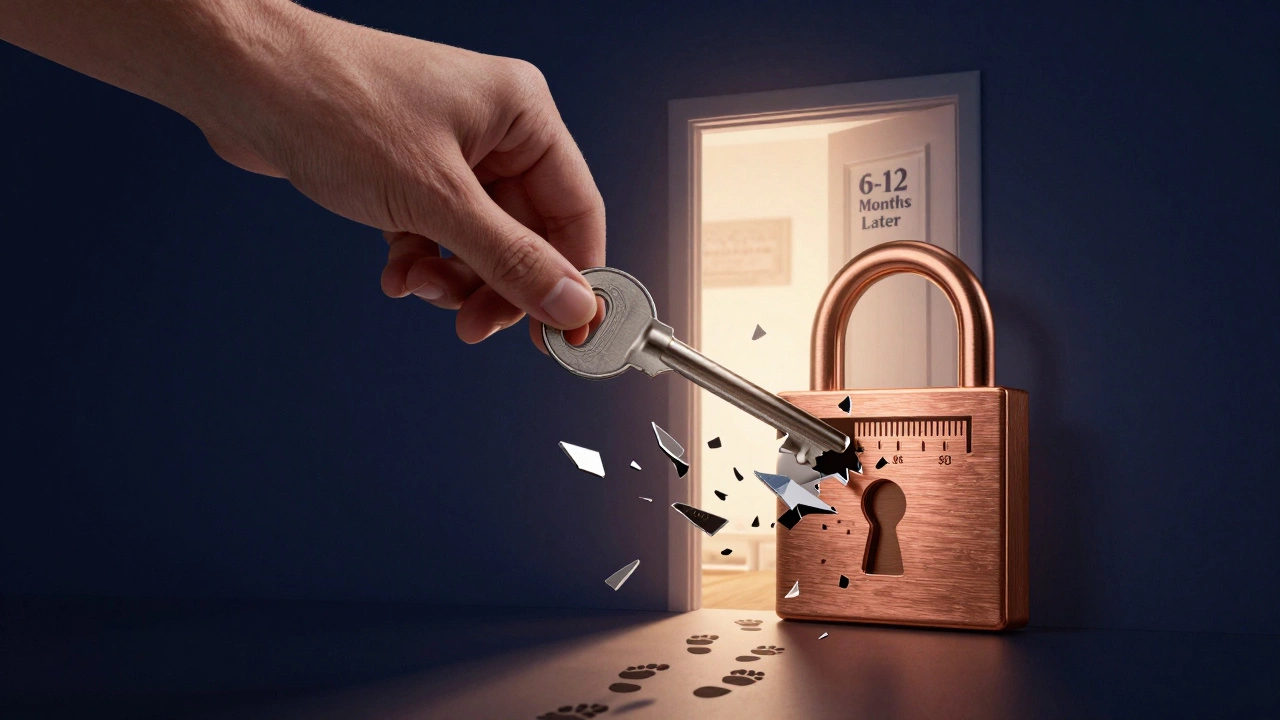
And if you don’t use your cards again? Your utilization drops to 0%. That’s when your score really starts to rise. People who pay off cards and leave them open with zero balances often see their scores go up by 30 to 50 points within 6 to 12 months.
The biggest risk: using your old credit cards again
The most common way consolidation loans wreck your credit isn’t the loan itself. It’s what you do after.
One in three people who take out a consolidation loan end up with more debt than before-because they used their old credit cards again. You pay off your cards with the loan. You feel relieved. Then you go out and spend $3,000 on a new vacation because you’ve got “room” on your cards. Now you’ve got the loan balance plus $3,000 in new card debt. Your utilization spikes. Your score plummets. You’re worse off than before.
That’s not the loan’s fault. That’s a behavior problem. If you don’t change how you spend, no loan will fix your credit.
What lenders look for when you apply
Before you even get the loan, lenders check your credit. They want to see:
- Stable income-you’re not just borrowing to survive
- Low debt-to-income ratio-your monthly debt payments are under 40% of your income
- No recent late payments or collections
- Enough credit history to show you’ve handled debt before
If you’ve missed payments recently, your credit score might be too low to qualify for a good rate. That’s why some people end up with high-interest consolidation loans. They’re desperate. The lender knows it. So they charge more. That can make the loan harder to pay off, which hurts your credit more.
That’s why shopping around matters. Get quotes from three lenders. Don’t apply to five. Each application is a hard inquiry. Too many in a short time makes you look risky.
When consolidation loans make sense
They work best if:
- You have a steady job and reliable income
- Your total debt is manageable-you can pay it off in 3 to 5 years
- You’re willing to freeze your credit cards or cut them up
- You’ve already stopped adding new debt
- You can get a rate lower than your current average interest
If you’re juggling $30,000 in credit card debt at 22% interest and can get a loan at 10%, you’re saving hundreds per month in interest. That’s real money. And if you stick to the plan, your credit score will reflect that discipline.
When they don’t help
Don’t use a consolidation loan if:
- You’re still spending beyond your means
- You’re planning to apply for a mortgage or car loan in the next 6 months
- Your credit score is below 580 and you’ll only qualify for a loan with a 20%+ interest rate
- You’re using the loan to pay off student loans or tax debt-those have special rules and protections
Some people think consolidation loans are a quick fix for bad credit. They’re not. They’re a tool for people who are ready to change their habits.
Alternatives to consider
Not everyone needs a loan. If your debt is smaller, or your credit is too low for a good rate, try:
- Debt management plan through a nonprofit credit counselor-they negotiate lower rates and combine payments
- Balance transfer credit card with 0% intro APR-you can pay off debt interest-free for 12 to 21 months
- Snowball or avalanche method-pay off debts one by one using your own budget
These options don’t add a new loan to your credit report. That means no hard inquiry. No new account lowering your average age. They’re slower, but gentler on your score.
What to do after you get the loan
Getting the loan is just step one. Here’s how to protect and rebuild your credit:
- Set up automatic payments. Miss one payment and your score drops again.
- Keep your credit cards open. Don’t close them. Just don’t use them.
- Check your credit report every 3 months. Make sure the old accounts show as “paid in full.”
- Don’t apply for new credit for at least a year. Let your score recover.
- Build a small emergency fund-even $500 helps prevent future debt.
People who do these five things see their credit scores rise steadily. Some go up 100 points in a year. Not because of the loan. Because of the discipline.
Final thought: it’s not about the loan. It’s about you.
Consolidation loans don’t hurt your credit. Bad habits do. The loan is just a mirror. It shows whether you’re ready to change.
If you’re disciplined, it can be one of the smartest moves you make for your credit. If you’re not, it’ll make things worse.
Ask yourself: am I doing this to fix my spending-or just to move my debt around?
Do consolidation loans show up on my credit report?
Yes. A consolidation loan appears as a new installment loan on your credit report. It shows your loan amount, monthly payment, and payment history. The old debts you paid off will also appear as closed or paid in full. All of this is visible to lenders for up to 10 years.
Will my credit score go up after I pay off a consolidation loan?
It can-if you’ve kept your credit card accounts open with zero balances and made all payments on time. Paying off the loan improves your payment history and reduces your overall debt. But if you close your credit cards after paying them off, your credit utilization could rise, which might lower your score. The key is keeping old accounts open and not taking on new debt.
Can I get a consolidation loan with bad credit?
Yes, but you’ll likely pay a high interest rate-sometimes over 20%. That can make the loan harder to repay, which increases the risk of falling behind. If your credit score is below 580, consider a nonprofit credit counseling agency first. They can help you set up a debt management plan without adding another loan to your credit report.
How long does a consolidation loan affect my credit score?
The hard inquiry from applying stays on your report for two years but only affects your score for about 12 months. The new loan stays for up to 10 years if paid in full, or 7 years if you default. The positive impact of on-time payments builds over time. Most people see their scores improve within 6 to 12 months if they stick to the plan.
Should I close my credit cards after paying them off with a consolidation loan?
No. Closing credit cards reduces your total available credit, which can raise your credit utilization ratio and hurt your score. Keep the accounts open with zero balances. That shows lenders you have access to credit but choose not to use it. It’s a strong signal of financial responsibility.