Home Insurance Rebuild Cost Estimator
Enter your home details below to estimate the true cost to rebuild your structure (excluding land) and see how it compares to typical market values.
Property Details
Insurance Analysis
Enter details and click Calculate to see results.
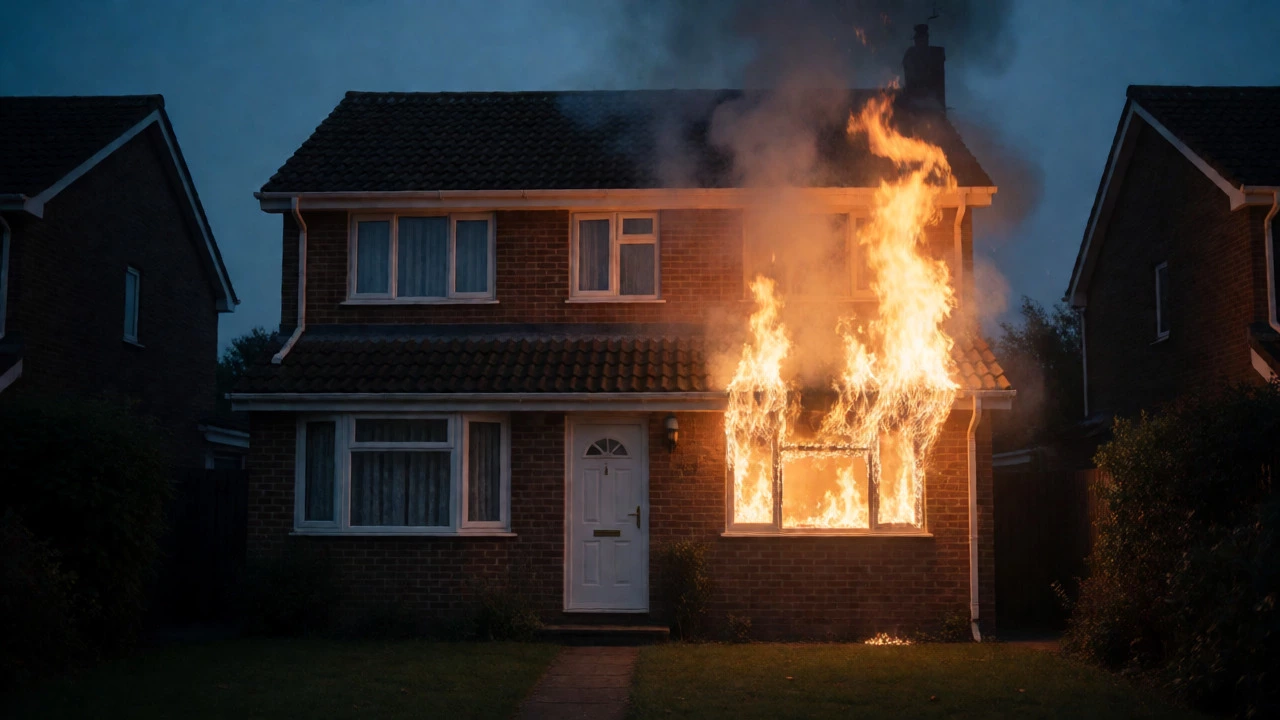
Imagine your house burns down. You look at your insurance policy and see you’re covered for $500,000. You breathe a sigh of relief, thinking that’s enough to buy a new place or fix the old one. But then the insurer hands you a check for $350,000. Why? Because they paid actual cash value, not what it actually costs to rebuild your specific home from scratch today. This gap is where most homeowners get burned (pun intended). Understanding Replacement Cost Price is the single most important step to ensuring you don’t have to pay thousands out of pocket after a disaster.
The Core Difference: Replacement vs. Market Value
Here is the trap many people fall into: they confuse what their house is worth on the real estate market with what it costs to build it. These are two completely different numbers. Market value includes the land, the neighborhood prestige, and current buyer demand. If you live in a trendy suburb in Sydney, your land might be worth millions, but the bricks and mortar might only cost $400,000 to replace.
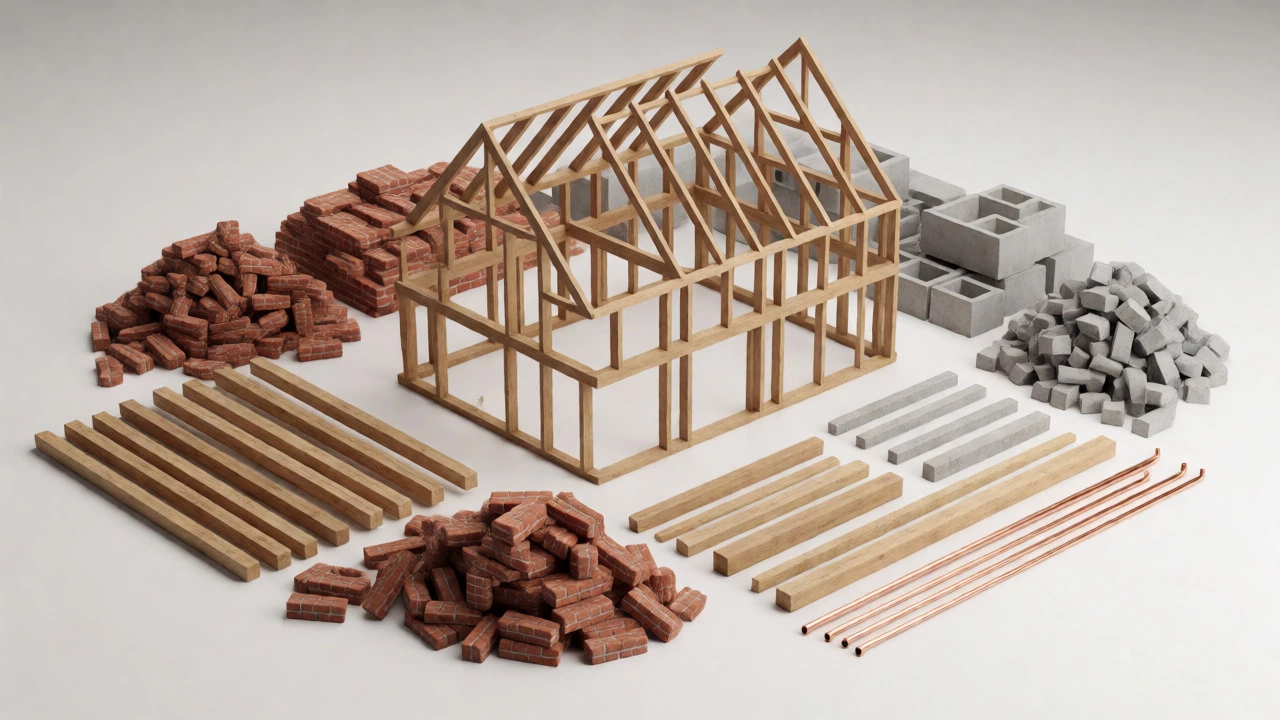
Replacement Cost Price ignores the land entirely. It asks one simple question: "If this house were destroyed tomorrow, how much would it cost to hire contractors, buy materials, and rebuild an identical structure on this exact spot?" It does not care if property prices skyrocketed last year. It cares about lumber, concrete, labor rates, and building codes.
Why does this matter? Because if you insure for market value, you might overpay. If you insure for too little replacement cost, you underinsure. Getting this number right protects your wallet in both directions.
How Insurers Calculate the Number
You might think you can just guess this number. Don’t. Insurers use sophisticated software to estimate Rebuild Cost. They look at several hard data points:
- Size and Layout: Square meters, number of floors, roof type, and complexity. A curved roof costs more to frame than a simple gable.
- Materials: Brick veneer, weatherboard, or high-end stone cladding each have different material and labor costs per square meter.
- Location Factors: Labor rates in inner-city Sydney differ from regional NSW. Access issues (like narrow streets requiring manual labor instead of cranes) drive costs up.
- Building Codes: Older homes often need upgrades to meet current energy efficiency or safety standards when rebuilt. This isn't optional; it's law.
Insurers use tools like CoreLogic or similar local databases to pull these stats. They apply current construction indices to adjust for inflation in the building sector, which often rises faster than general consumer inflation.
Replacement Cost vs. Actual Cash Value
If you don’t explicitly choose replacement cost coverage, you likely have Actual Cash Value (ACV). ACV deducts depreciation. If your 10-year-old roof needs replacing, ACV pays what the roof is worth *now* (maybe 50% of its original cost), not what it costs to install a brand-new roof.
| Feature | Replacement Cost | Actual Cash Value (ACV) |
|---|---|---|
| Payout Basis | Cost to repair or replace without deduction for depreciation. | Replacement cost minus depreciation (wear and tear). |
| Premium Cost | Higher premiums due to higher payout potential. | Lower premiums because payouts are reduced. |
| Best For | Newer homes, custom builds, or those who want full restoration. | Older homes, rental properties, or tight budgets. |
| Risk | Underinsurance if rebuild estimates are outdated. | Out-of-pocket costs for newer materials. |
Why Your Rebuild Estimate Might Be Wrong
Even with good intentions, your Sum Insured can drift away from reality. Here is why:
First, renovations. Did you add a second bathroom? Install a premium kitchen? Replace carpet with hardwood? Each upgrade increases the cost to rebuild. If you didn’t update your policy, you are now underinsured. Second, code changes. New regulations regarding insulation or electrical wiring can add 10-15% to rebuild costs. Third, supply chain shocks. As seen in recent years, timber and steel prices can spike. Standard annual index adjustments often lag behind these sudden jumps.
A common mistake is using the purchase price of your home as your sum insured. Remember, you cannot burn land. You only burn structures. Using purchase price almost always leads to significant over-insurance, meaning you waste money on premiums every month.
Guaranteed Replacement Cost: The Safety Net
Some insurers offer Guaranteed Replacement Cost. This feature promises to pay whatever it takes to rebuild your home, even if it exceeds your policy limit by 20%, 50%, or sometimes unlimited amounts. It sounds perfect, right?
Not always. Read the fine print. Some policies define "rebuild" strictly as matching existing features, not upgrading them. Others may exclude certain types of extensions or require you to rebuild within a specific timeframe. Also, guaranteed replacement usually comes with a higher premium. For most standard homes, accurate estimation plus a small buffer (say 10%) is cheaper than paying for the guarantee. However, for unique heritage homes or complex custom builds, this safety net is worth every cent.

How to Get an Accurate Quote
Don’t rely on online calculators alone. They are great for rough estimates but miss nuances. Here is a practical approach:
- Get a Professional Valuation: Hire a registered valuer or builder to assess your home’s rebuild cost. This costs a few hundred dollars but provides a defensible number.
- Review Annual Statements: Check if your insurer applies an automatic indexation increase. While helpful, it rarely matches true construction inflation.
- Update After Renovations: Call your insurer immediately after completing major works. Provide invoices so they can adjust your sum insured.
- Consider Extended Cover: Look for policies that include "inflation protection" beyond the standard CPI, specifically tied to construction costs.
In Australia, the Australian Bureau of Statistics tracks construction costs separately from consumer inflation. Keep an eye on these reports. If construction costs rise by 8% in a year, but your insurer only increased your cover by 3%, you are effectively losing coverage power.
Frequently Asked Questions
Is replacement cost the same as market value?
No. Market value includes the land and location desirability, while replacement cost only covers the physical structure and associated rebuilding expenses. Land does not depreciate or burn, so it is excluded from replacement cost calculations.
Do I need to pay extra for replacement cost coverage?
Yes, typically. Policies offering full replacement cost (without depreciation deductions) generally have higher premiums than those offering actual cash value. The extra cost buys peace of mind and ensures you can restore your home to its pre-loss condition.
What happens if I am underinsured?
If your sum insured is lower than the actual rebuild cost, the insurer will pay only up to your policy limit. You must pay the difference out of pocket. In some cases, if you are significantly underinsured, the insurer may apply a "co-insurance penalty," reducing your payout proportionally.
Does replacement cost cover personal belongings?
Usually, yes, but check your policy. Most comprehensive home insurance policies offer replacement cost for contents as well. This means if your 5-year-old TV is stolen, they pay for a new equivalent model, not the depreciated value of the old one.
How often should I review my replacement cost?
At least once a year during renewal, and immediately after any major renovation or extension. Construction costs fluctuate, and your home’s characteristics change with improvements, both of which affect the rebuild price.