Financial Awareness Calculator
The first rule of budgeting is knowing exactly where every dollar goes. Start by calculating your real financial baseline.
Income Details
Essential Expenses
Most people think the first rule of budgeting is to cut out lattes or stop buying new clothes. It isn’t. If you start with restriction, you’ll quit within a week. The real first rule is much simpler and far more powerful: you must know exactly where every dollar goes.
Without tracking your spending, a budget is just a guess. You can have the best spreadsheet in the world, but if you don’t input the actual data of what you spent on Tuesday lunch or that unexpected car repair, the numbers are fiction. Tracking transforms money from an abstract concept into concrete data you can manage.
The Myth of Restriction vs. The Reality of Awareness
We’ve all heard the advice to "live below your means." It sounds noble, but it’s impossible to execute without visibility. Imagine trying to lose weight by guessing how many calories you eat each day. You might skip dinner, but if you accidentally consumed 2,000 calories at lunch, you’re still not hitting your goal. Money works the same way.
The psychological barrier to budgeting is often shame. We avoid looking at our bank statements because we don’t want to see the $45 impulse buy or the subscription we forgot to cancel. But avoidance doesn’t make the spending disappear; it only makes financial anxiety worse. The first step is radical acceptance of your current cash flow. You need to see the full picture, ugly parts included, before you can change it.
This isn’t about judging yourself. It’s about gathering intelligence. When you track your expenses for just one month, patterns emerge. You might realize you spend $150 a month on food delivery apps. That’s not a moral failing; it’s a data point. Once you see it, you can decide if that value is worth the cost. Maybe you keep it. Maybe you switch to cooking twice a week. Either way, the decision is informed, not accidental.
How to Track Spending Without Losing Your Mind
The biggest mistake beginners make is trying to track everything manually in a notebook. It feels tedious, so they stop after three days. Instead, use tools that automate the heavy lifting while keeping you accountable.
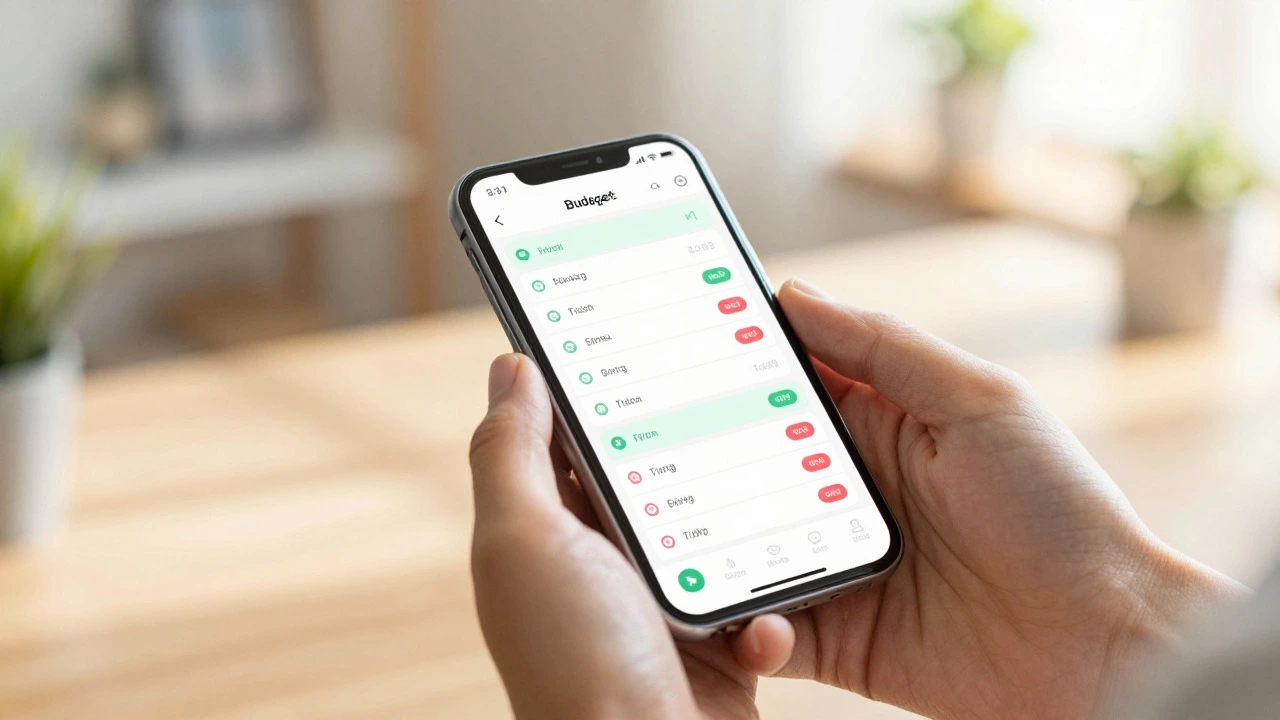
- Link your accounts: Use budgeting apps like YNAB (You Need A Budget), Monarch Money, or even free bank aggregators that sync with your checking and credit cards. These tools categorize transactions automatically.
- Review weekly: Set aside 15 minutes every Sunday evening. Don’t try to do this daily-it becomes a chore. Weekly reviews catch errors and confirm categories without disrupting your flow.
- Categorize broadly at first: Start with big buckets like Housing, Food, Transport, Entertainment, and Debt Payments. You can refine these later. If you create 50 sub-categories now, you’ll burn out.
If you prefer pen and paper, the "cash envelope" method forces awareness. You withdraw physical cash for variable expenses like groceries and fun money. When the envelope is empty, you stop spending. This creates a visceral connection between your wallet and your limit that digital numbers often lack.
Income vs. Expenses: The Two Sides of the Coin
Tracking spending is half the battle. The other half is understanding your income reality. Many people budget based on their gross salary, forgetting taxes, superannuation contributions, and insurance premiums. This leads to the "paycheck gap," where you think you have $5,000 to spend, but only $3,800 actually hits your account.
Your budget must start with your net income-the money that actually lands in your bank. From there, you allocate funds to fixed costs (rent, utilities) and variable costs (groceries, entertainment). The difference between your income and your essential expenses is your discretionary income. This is the number that determines whether you save for retirement or live paycheck to paycheck.
| Misconception | Reality | Impact on Budget | |
|---|---|---|---|
| Budgeting on Gross Pay | Taxes and deductions reduce take-home pay by 20-30% | Leaves less room for savings than expected | |
| Ignoring Irregular Income | Gig work or commissions fluctuate monthly | Causes overspending in high-income months | |
| Counting Future Raises | Raises are not guaranteed until deposited | Creates lifestyle inflation before the money arrives |

The Psychological Shift: From Scarcity to Abundance
When you finally master the first rule-tracking-you unlock a surprising benefit: freedom. Paradoxically, knowing exactly where your money goes reduces stress. You stop fearing the unknown. You know if you can afford that weekend trip because you’ve seen your average monthly travel spend over the last six months.
This shift changes your relationship with money. Instead of viewing budgeting as a cage that traps you, you see it as a map that guides you. You’re no longer reacting to bills; you’re proactively directing your resources toward what matters most to you. For some, that’s early retirement. For others, it’s family vacations or starting a business.
Consider the concept of "intentional spending." Once you track your habits, you can identify values misalignment. If you care deeply about health but spend zero dollars on gym memberships or healthy food, yet splurge on fast fashion, your money isn’t reflecting your priorities. Tracking exposes these gaps so you can realign your spending with your life goals.
Tools and Technologies for Modern Tracking
In 2026, technology has made tracking easier than ever, but it also introduces new risks. Open Banking APIs allow apps to pull transaction data directly from banks, reducing manual entry. However, privacy concerns remain valid. Always choose reputable platforms with strong encryption and clear data policies.
Here are the top approaches for different personalities:
- The Automator: Apps like Copilot or Mint alternatives that auto-categorize and send alerts when you exceed limits. Best for those who hate math but want oversight.
- The Planner: Zero-based budgeting software like YNAB. Every dollar gets a job before you spend it. Best for proactive planners who want total control.
- The Minimalist: A simple spreadsheet or note-taking app. List income, list expenses, calculate the difference. Best for those who find complex apps overwhelming.
Regardless of the tool, consistency beats complexity. A messy notebook used every day is better than a perfect app ignored for months.

Common Pitfalls to Avoid After Starting
Even after committing to tracking, many people stumble. Here are the most common traps:
Over-categorization: Creating separate categories for "Coffee," "Tea," and "Smoothies" adds administrative burden. Group them under "Beverages" or "Food Out." You can drill down later if needed.
Ignoring Small Transactions: People often skip logging small purchases like parking fees or snacks. Over a year, these micro-transactions can add up to thousands of dollars. If it leaves your account, log it.
Comparing to Others: Social media distorts financial reality. Someone’s vacation photos don’t show their debt load. Focus on your own numbers, not someone else’s highlight reel.
Next Steps: Building on the Foundation
Once you’ve tracked your spending for 30 days, you have a baseline. Now you can move to the next rules of budgeting: setting realistic limits, building an emergency fund, and paying down high-interest debt. But none of those steps work without the foundation of awareness.
Start today. Pick one account, link it to an app, or grab a notebook. Write down every transaction for the next week. It won’t be perfect, but it will be honest. And honesty is the only place true financial control begins.
Is the 50/30/20 rule the first rule of budgeting?
No. The 50/30/20 rule is a framework for allocating money *after* you know how much you have and spend. You cannot apply percentages effectively if you haven't first tracked your actual income and expenses to determine your baseline.
How long does it take to get good at tracking spending?
Most people see significant improvements in financial clarity within 30 days. It takes about one month to establish accurate averages for variable expenses like groceries and utilities. Consistency is key; missing a few days won't ruin progress, but regular weekly reviews build the habit.
Do I need to track every single penny?
Ideally, yes. While rounding errors are minor individually, they accumulate. More importantly, the act of recording reinforces mindfulness. However, if perfectionism stops you from starting, focus on major categories first and gradually increase detail as the habit forms.
What is the best app for tracking spending in 2026?
The "best" app depends on your style. YNAB is excellent for proactive planning and debt reduction. Monarch Money offers a modern interface for passive tracking. For those who prefer simplicity, many banks now offer built-in spending analytics that may be sufficient for basic awareness.
Can I budget if I have irregular income?
Yes, but tracking is even more critical. With irregular income, you should base your budget on your lowest expected monthly income. Any extra earnings go toward savings or debt repayment. Tracking helps you smooth out fluctuations and avoid lifestyle inflation during high-earning months.