
Car Loan Cost Comparison Tool
Enter your loan details to see which bank offers the lowest total cost, not just the lowest headline rate.
Walking into a bank branch or clicking on a website to get a car loan quote often feels like solving a puzzle with missing pieces. You see advertised rates that look incredibly low, but when you get to the fine print, the total cost of borrowing can surprise you. The question isn't just which bank has the lowest car loan interest rate, but which bank offers the best deal for your specific situation. A 4% headline rate sounds amazing until you realize it only applies to new cars under $50,000 for customers who already have a home loan with them.
In Australia, the landscape for vehicle financing is complex. Major banks compete fiercely, but so do non-bank lenders and captive finance companies. To find the true lowest rate, you need to look beyond the front page advertising. You need to understand how banks structure their pricing tiers, what factors influence your personal rate, and where the hidden costs lurk. This guide breaks down the current market reality in Sydney and across Australia, helping you cut through the noise to find genuine savings.
Understanding How Banks Set Car Loan Rates
Banks don't set one single interest rate for everyone. Instead, they use a tiered system based on risk and relationship. The base rate is the starting point, but your final offer depends on several variables. Understanding these variables is the first step to negotiating a better deal.
- New vs. Used Vehicles: New cars typically carry lower interest rates because they depreciate predictably and have less risk of mechanical failure compared to older used cars. If you are buying a five-year-old sedan, expect the rate to be slightly higher than for a brand-new SUV.
- Loan Term Length: Shorter terms usually mean lower rates. A three-year loan will almost always have a lower annual percentage rate (APR) than a seven-year loan. However, shorter terms mean higher monthly payments, so you must balance affordability with total interest paid.
- Credit Score: Your credit history is a major factor. A score above 700 often unlocks the 'preferred' or 'best available' rates. Below that, you might fall into standard or even sub-prime categories, which carry significantly higher costs.
- Existing Banking Relationship: Many Australian banks offer loyalty discounts. If you hold a home loan, savings account, or credit card with the same institution, you may qualify for a reduced rate. This is why switching your entire banking portfolio to one provider can save thousands over the life of the loan.
It is crucial to distinguish between the advertised rate and the comparison rate. The advertised rate is the nominal interest charged. The comparison rate includes fees and other charges, giving a truer picture of the cost. Always compare using the comparison rate, not just the headline number.
The Current Market Leaders: Who Offers the Best Rates?
As of mid-2026, the competition among major Australian banks remains tight. While exact rates fluctuate weekly based on the cash rate and internal policies, certain institutions consistently sit at the top of the table for specific customer profiles.
| Bank | Advertised Rate (P.a.) | Comparison Rate (P.a.) | Key Condition for Lowest Rate |
|---|---|---|---|
| Commonwealth Bank | 3.99% | 4.15% | Must be an existing CBA customer with no default history |
| Westpac | 4.10% | 4.28% | Available to all applicants; loyalty discount for multi-product holders |
| ANZ | 4.05% | 4.22% | Requires automatic repayment setup and direct debit |
| NAB | 4.15% | 4.35% | Best rate for new vehicles under $60,000 |
Note that these rates are indicative for a standard five-year term on a new vehicle. For used cars, add approximately 0.5% to 1.0% to these figures. Non-bank lenders, such as those affiliated with car dealerships, sometimes offer promotional rates that undercut banks for very short periods, but they often charge higher upfront fees to compensate.

Why 'Lowest Rate' Doesn't Always Mean 'Cheapest Loan'
This is the most common trap borrowers fall into. A bank might offer a 3.9% interest rate, but charge a $995 application fee and require you to pay off the loan early if you refinance. Another bank might offer 4.2%, but waive all fees and allow flexible extra repayments without penalty. The latter is often cheaper in the long run.
You need to calculate the Total Cost of Ownership (TCO) for the loan. Here is a simple heuristic to use:
- Take the advertised interest rate.
- Add any upfront establishment fees divided by the loan amount, then divide by the number of years (amortized).
- Add any ongoing service fees.
How to Qualify for the Absolute Lowest Tier
Getting the bottom-line rate requires preparation. Banks reward low-risk borrowers with better pricing. Here is how to position yourself for the best possible offer:
- Check Your Credit Report: Use a free service to review your credit file. Dispute any errors immediately. A clean report is non-negotiable for the lowest tier.
- Consolidate Your Banking: If you are paying a high interest rate on a credit card or personal loan, consider moving those accounts to the bank offering the car loan. Loyalty discounts can shave off significant basis points.
- Shop Around with Pre-Approval: Don't just call one bank. Get pre-approval from at least two major banks. Having a competing offer gives you leverage to negotiate. Ask explicitly: "If I switch my home loan to you, can you match this competitor's rate?"
- Consider Secured Loans: Some banks offer lower rates if you secure the car loan against your home equity. This turns an unsecured auto loan into a secured line of credit. The rate drops, but the risk increases-if you miss payments, your house is at stake.
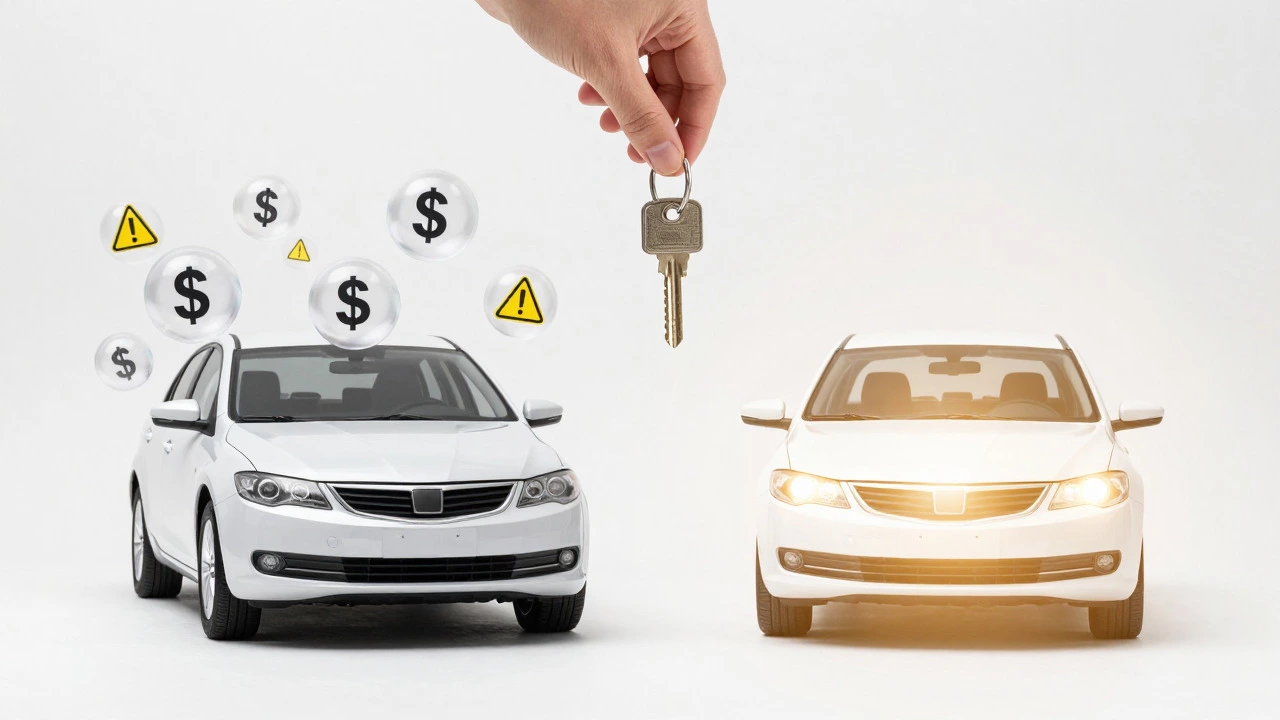
Hidden Costs and Pitfalls to Avoid
Even if you secure a low interest rate, other costs can erode your savings. Be vigilant about these common pitfalls:
- Gap Insurance Premiums: Guaranteed Asset Protection insurance is often bundled with car loans. It covers the difference between what you owe and the car's value if it's written off. Check if you already have this coverage through your comprehensive car insurance policy. Paying twice is a waste of money.
- Early Repayment Penalties: Some fixed-rate loans penalize you for paying off the loan early. If you plan to make extra payments to reduce interest, ensure the loan allows unlimited extra repayments without penalty.
- Refinancing Fees: If you plan to refinance after two years to catch a lower rate, check the exit fees. Some banks charge up to $500 to release the security. Factor this into your decision-making process.
Always read the Product Disclosure Statement (PDS). It is a legal document that outlines every fee and condition. If the PDS says the rate is variable, know that it can go up if the central bank raises rates. Fixed rates protect you from increases but lock you out of potential decreases.
Frequently Asked Questions
Does a longer loan term always mean lower monthly payments?
Yes, extending the term lowers the monthly payment amount. However, it also increases the total interest paid over the life of the loan. For example, a $30,000 loan at 4% over 3 years costs roughly $1,800 in interest, while the same loan over 7 years costs nearly $4,200. Only choose a longer term if you need the lower monthly cash flow to manage your budget.
Are non-bank lenders ever cheaper than major banks?
Sometimes. Captive finance companies (owned by car manufacturers) often offer promotional rates of 0% to 2% for new cars to drive sales. These deals are rare but lucrative when available. Independent non-bank lenders usually charge higher rates than major banks but may be more flexible with credit scores. Always compare the total cost, including fees, before choosing a non-bank option.
How much deposit should I put down to get the lowest rate?
There is no universal rule, but putting down 20% or more of the vehicle's value signals lower risk to the lender. This can help you access the lowest interest rate tier. Additionally, a larger deposit reduces the loan amount, which means less total interest paid, regardless of the rate.
Can I negotiate the interest rate directly with the bank?
Yes, especially if you are an existing customer. Call your relationship manager or visit a branch with a competing offer in hand. Ask if they can match or beat the rate. Even if they can't match it exactly, they may offer a waiver on application fees or a temporary rate reduction to keep your business.
What happens to my car loan rate if the Reserve Bank of Australia raises interest rates?
If you have a variable rate loan, your interest rate will likely increase within weeks of a central bank rate hike. This will raise your monthly repayments. If you prefer stability, consider a fixed-rate loan for the first few years, then refinance to a variable rate if rates drop. Alternatively, build a buffer into your budget to absorb potential increases.