
ISA Eligibility Checker
What type of account are you looking to open?
Where do you live?
This determines your tax status.
Checking...
Analyzing your inputs...
You just landed a job in London or maybe you’re moving to Manchester for a few years. You want to save money without paying tax on the interest, so naturally, you think about opening an Individual Savings Account (ISA). But then you hit a wall: the application form asks if you are a "resident of the United Kingdom." If you don’t have British citizenship, does that mean you’re locked out?
The short answer is no. Citizenship doesn't matter. What matters is where you sleep and where you pay your taxes. In fact, thousands of people who were never born in the UK open ISAs every year. However, the rules are strict, and getting it wrong can lead to headaches with HMRC later on.
Let’s break down exactly who qualifies, what happens if you move back home, and why your passport nationality is largely irrelevant compared to your address.
Citizenship vs. Tax Residency: The Real Rule
The biggest myth surrounding ISAs is that they are only for British citizens. This is simply not true. The government doesn't care if you hold a US, Australian, or Nigerian passport. They care about one specific legal status: UK tax residency.
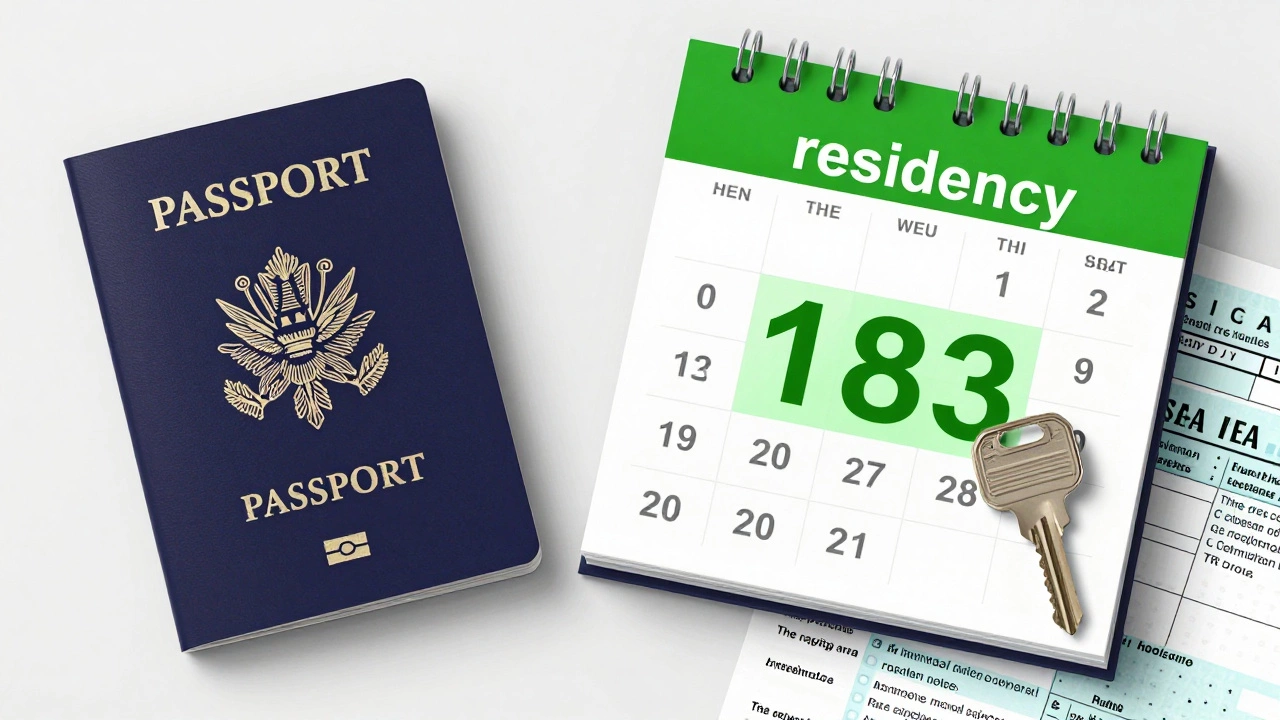
To open an ISA, you must be a resident of the United Kingdom for tax purposes. This is determined by the Statutory Residence Test (SRT), which looks at how many days you spend in the UK over a tax year (April 6 to April 5).
- If you spend 183 days or more in the UK in a tax year, you are automatically a UK tax resident.
- If you spend fewer than 183 days, other factors apply, such as whether you have a home in the UK, work here full-time, or have family ties here.
So, if you moved to London six months ago and live here permanently, you are likely a tax resident, even if you’ve never held a British visa before. You can walk into any bank or build society and open an ISA. Your lack of citizenship is not a barrier.
Who Is Actually Excluded?
While most residents qualify, there are two main groups of people who cannot open an ISA, regardless of how long they stay in the UK:
- Crown Servants abroad: If you are a member of the armed forces, diplomatic staff, or civil servants working overseas, special rules apply. Often, these individuals retain their right to an ISA while posted abroad, but this is a specific exception for government employees.
- Non-residents: If you live outside the UK for the majority of the tax year, you generally cannot contribute to an ISA. For example, if you keep a flat in London but spend 10 months a year working in Dubai, you are likely not a UK tax resident. Therefore, you cannot open a new ISA.
It is also worth noting that you must be aged 16 or older to open a Cash ISA, and 18 or older to open a Stocks and Shares ISA. There are Junior ISAs available for children under 18, but those are managed by parents or guardians.
The "Moving Away" Trap: What Happens When You Leave?
This is where things get tricky for expats and temporary workers. Many people assume that once they leave the UK, their ISA disappears or becomes taxable immediately. That isn't quite right, but there is a catch.
You can keep your existing ISA open even after you move abroad. The tax-free status of the money already inside remains intact. You can still withdraw funds without paying tax. However, you lose the ability to make new contributions.
Here is the critical part: If you return to the UK and become a tax resident again, you might think you can just start saving into your old account. You usually can't. Most providers will close your ISA when you declare yourself non-resident, or they will freeze contributions. When you come back, you typically need to open a brand new ISA and use your fresh annual allowance.
| Scenario | Can Open New ISA? | Can Add Money? | Tax-Free? |
|---|---|---|---|
| UK Tax Resident | Yes | Yes (up to £20,000) | Yes |
| Non-UK Resident (Moved Abroad) | No | No | Yes (on existing balance) |
| Returned to UK After Absence | Yes (New Account) | Yes (New Allowance) | Yes |
| Crown Servant Abroad | Yes (Special Rules) | Yes | Yes |
Documentation You Will Need
Since banks need to verify your tax residency, they will ask for proof. Because you aren't a British citizen, you won't have a British passport, but that's fine. Here is what you should prepare:
- Proof of Address: A utility bill, council tax statement, or bank statement showing your UK address. This is crucial because it demonstrates you are living in the UK.
- Identification: Your foreign passport is perfectly acceptable. Some banks may also accept a driving license from your home country, but a passport is the gold standard.
- National Insurance Number (NINO): While not always strictly required to *open* the account, you will eventually need a NINO for tax purposes. It helps to have one if you are employed in the UK.
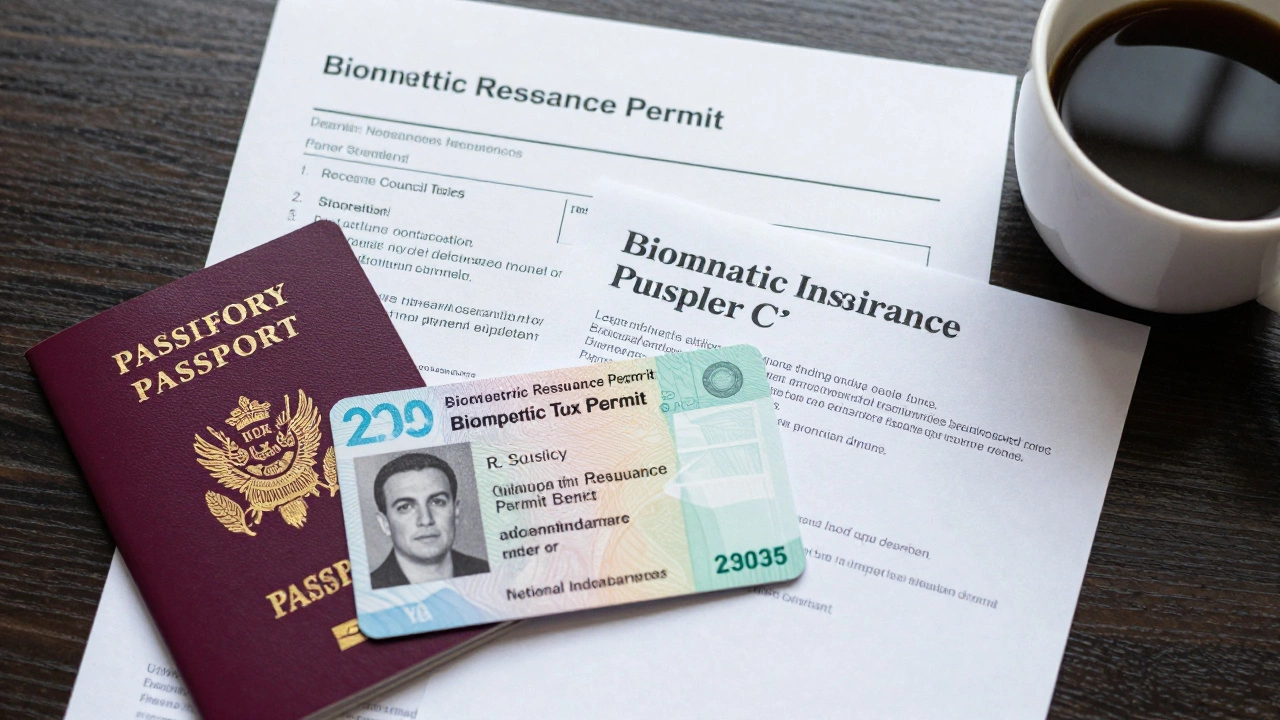
- Visa or Immigration Status: Be prepared to show your visa, Brumby Card, or Indefinite Leave to Remain (ILR) document. Banks need to ensure you have the legal right to reside in the UK long-term.
If you are self-employed or a contractor, some high-street banks might be hesitant. In that case, look at digital-first banks or challenger banks like Monzo, Starling, or Revolut, which often have smoother onboarding processes for non-citizens with valid visas.
Alternatives If You Don't Qualify
What if you visit the UK frequently but don't meet the 183-day rule? Or what if you are a student on a short-term visa that doesn't grant permanent residency? In these cases, you cannot legally open an ISA.
Don't panic. You still have options to save efficiently:
1. Offshore Savings Accounts
Many UK banks offer "offshore" versions of their savings accounts. These are designed specifically for non-residents. The downside? Interest earned is taxable. You will receive a gross amount, and you must declare this income in your home country's tax return. Depending on your home country's tax treaties with the UK, you might end up paying double tax unless you claim relief.
2. General Deposit Accounts
A standard savings account pays interest, but unlike an ISA, that interest is not wrapped in tax protection. For most small savers, the difference is negligible due to the Personal Savings Allowance (PSA). Basic rate taxpayers can earn up to £1,000 in interest tax-free anyway. Higher rate taxpayers get £500. So, if you are saving modest amounts, a regular account might suffice until your residency status changes.
3. Invest in Your Home Country
If you plan to return to your home country within a few years, it might make more sense to use local tax-efficient vehicles. For example, Americans should look at Roth IRAs or 401(k)s, while Canadians should consider TFSAs. Moving money back and forth across borders can trigger currency exchange fees and capital gains taxes, which eat into your returns.
Common Mistakes to Avoid
I’ve seen many expats trip up on simple administrative errors. Here is how to protect yourself:
Mistake 1: Declaring Yourself Resident When You Aren't If you know you are leaving the UK in three months, do not open an ISA. HMRC has data-sharing agreements with banks. If they see you contributing to an ISA while you are officially registered as a non-resident elsewhere, you could face penalties and be forced to pay back-tax on all interest earned.
Mistake 2: Forgetting to Update Your Bank When You Move If you move abroad, tell your bank immediately. Keep your old ISA open if you want, but stop paying in. If you continue to deposit money into an ISA while living in Spain or Australia, you are breaking the law. The account manager cannot stop you, but HMRC can fine you.
Mistake 3: Assuming All Banks Are Equal Some traditional high-street banks are very rigid about documentation. If you have a complex immigration status (like a Tier 2 visa holder), you might face rejection. Always check the provider's FAQ section for "non-resident" or "international customer" policies before applying.
Summary: Can You Open One?
If you live in the UK, pay UK taxes, and intend to stay for the foreseeable future, yes, you can open an ISA. Your citizenship is irrelevant. Focus on proving your residence through bills and visa documents.
If you are visiting temporarily or split your time between countries, stick to general savings accounts or offshore products, and consult a tax advisor to understand the implications in both jurisdictions. The tax-free benefit of an ISA is valuable, but only if you play by the residency rules.
Do I need a British passport to open an ISA?
No, you do not need a British passport. You only need to be a UK tax resident. You can use your foreign passport along with proof of your UK address and visa status to open an account.
Can I open an ISA if I am on a student visa?
Yes, if you are studying in the UK and spending more than 183 days a year here, you are considered a UK tax resident and can open an ISA. You will need to provide your BRP (Biometric Residence Permit) and proof of address.
What happens to my ISA if I move back to my home country?
You can keep your existing ISA open, and the money inside remains tax-free. However, you cannot add any new money to it. If you return to the UK later, you will likely need to open a new ISA.
Is interest from an ISA taxable for non-residents?
If you opened the ISA while you were a UK tax resident, the interest remains tax-free in the UK even after you move abroad. However, you may need to declare this income in your new country of residence, depending on their tax laws.
Can I transfer my ISA if I change banks?
Yes, you can transfer your ISA from one UK provider to another as long as you remain a UK tax resident. This allows you to move your savings to get better interest rates or investment options without losing the tax wrapper.