
Crypto Risk Assessment Tool
Evaluate Your Habits
Select the option that best describes your current approach to cryptocurrency.
Your Risk Score
Analysis:
Recommendation:
It’s May 2026, and the headlines are mixed. On one side, you see stories of early adopters who bought Bitcoin the leading cryptocurrency that has seen massive price swings since its inception back in 2013 retiring on their returns. On the other, there are countless forum posts from people asking how they lost their life savings in a single week. So, do people lose money in crypto? The short answer is yes. In fact, most retail investors have experienced significant losses at some point.
But it’s not just about bad luck. Losing money in cryptocurrency digital assets secured by cryptography and operating on blockchain technology usually comes down to three things: extreme market volatility, human psychology, and outright fraud. Understanding these factors doesn’t mean you should avoid crypto entirely. It means you need to approach it with your eyes wide open, treating it less like a bank account and more like a high-stakes venture capital bet.
The Volatility Factor: Why Prices Swing Wildly
The biggest reason people lose money isn’t because the technology failed; it’s because the price dropped while they were holding. Unlike stocks, which often move based on quarterly earnings reports, crypto prices can swing 20% or more in a single day. This is driven by low liquidity in many smaller coins and the speculative nature of the market.
In 2024 and 2025, we saw several instances where major altcoins lost over 80% of their value in months. If you bought at the peak during a hype cycle-perhaps triggered by a celebrity endorsement or a new feature announcement-you might be sitting on a bag of digital assets worth a fraction of what you paid. This is known as "buying the top." Without a long-term horizon or a strategy for averaging down, this volatility wipes out accounts quickly.
Consider Ethereum. While it remains a dominant platform for smart contracts, its price has historically been volatile. During bull markets, it surges; during bear markets, it corrects sharply. If you leveraged your position using margin trading-a practice common among inexperienced traders-a small drop could trigger a liquidation, meaning you lose everything instantly, even if the price eventually recovers.
Psychological Traps: Fear and Greed
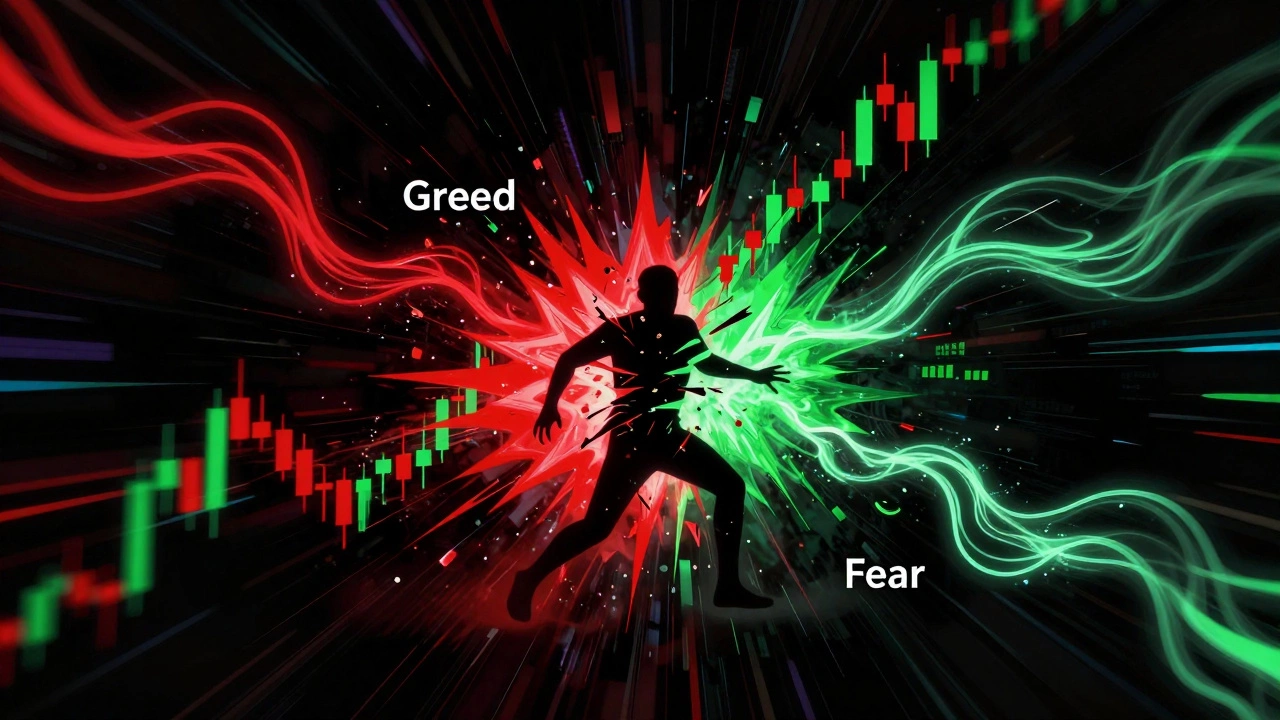
Human psychology plays a massive role in crypto losses. Two emotions drive most bad decisions: fear and greed. When everyone around you is making money, FOMO (Fear Of Missing Out) kicks in. You buy in at the highest possible price because you’re afraid of being left behind. Then, when the market dips, panic sets in. Instead of holding or selling strategically, you sell at the bottom to stop the pain of watching your portfolio shrink.
This cycle of buying high and selling low is the classic way retail investors lose money. Professional traders use strict entry and exit rules, but most casual investors let their emotions dictate their actions. They chase pumps, ignore red flags, and fail to take profits when they’re available. By the time they realize they’ve made a gain, the market has already turned against them.
Another psychological trap is confirmation bias. Investors often surround themselves with communities that only share positive news about their chosen coin. They ignore warnings about regulatory changes or technical flaws until it’s too late. By the time the reality hits, the damage is done.
Fraud, Scams, and Security Failures
Beyond market forces, intentional fraud is a leading cause of catastrophic loss. The crypto space has always attracted bad actors due to its pseudonymous nature. In 2026, sophisticated phishing attacks remain rampant. Hackers create fake websites that look identical to legitimate exchanges or wallets. If you enter your private keys or seed phrase on these sites, your funds are gone forever.
Rug pulls are another common scam. Developers launch a new token, pump up the price through marketing, and then dump all their holdings, crashing the price to zero. Retail investors are left with worthless tokens. These schemes are particularly prevalent in decentralized finance (DeFi) projects that lack oversight.
Even reputable platforms aren’t immune. While major exchanges like Coinbase and Binance have improved security, smaller exchanges have collapsed or been hacked, leaving users unable to withdraw their funds. Always remember: if you don’t control your private keys, you don’t truly own your crypto. Keeping large amounts on an exchange exposes you to counterparty risk.
| Cause | Description | Prevention Strategy |
|---|---|---|
| Market Volatility | Sharp price drops wiping out equity | Dollar-cost averaging; avoid leverage |
| Phishing Attacks | Hackers stealing credentials via fake sites | Use hardware wallets; verify URLs |
| Rug Pulls | Developers abandoning projects after raising funds | Research team background; audit code |
| Emotional Trading | Buying high on FOMO, selling low on panic | Create a written investment plan |
Regulatory Shifts and Tax Implications
Government regulation adds another layer of complexity. In recent years, countries worldwide have tightened rules around crypto trading. In Australia, for instance, strict anti-money laundering laws require exchanges to verify user identities. Failure to comply can result in frozen accounts or fines.
Tax mistakes also lead to financial loss. Many investors forget that every trade is a taxable event. Selling crypto for fiat currency, swapping one coin for another, or even earning rewards through staking can trigger capital gains tax. If you don’t keep accurate records, you might face penalties from the Australian Taxation Office (ATO). These unexpected bills can eat into your profits significantly.
Additionally, regulatory bans in certain jurisdictions can crash prices globally. When China cracked down on mining and trading in previous years, the entire market reacted negatively. While such events are less frequent now, geopolitical risks remain a factor.
How to Minimize Your Risk
So, how do you protect yourself? First, never invest more than you can afford to lose. Treat crypto as speculative capital, not retirement savings. Diversify your portfolio across different asset classes, including traditional stocks, bonds, and cash.
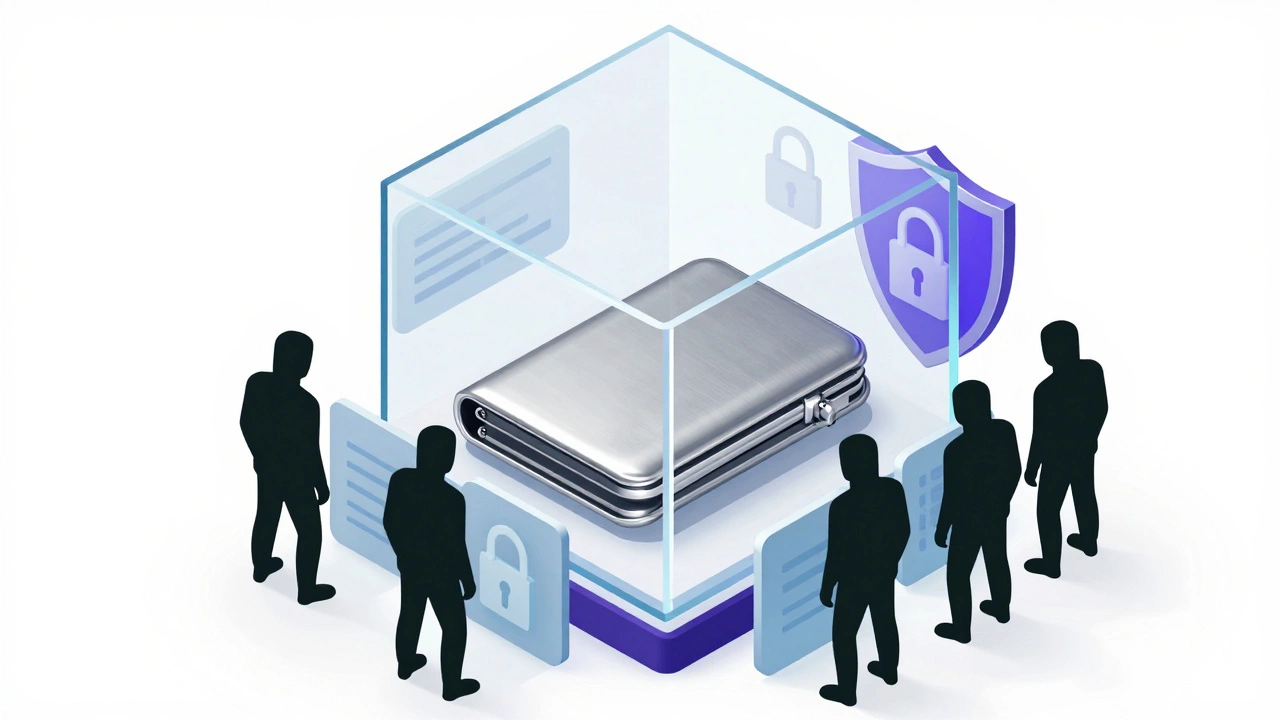
Second, prioritize security. Use a hardware wallet like Ledger or Trezor for long-term storage. Enable two-factor authentication (2FA) on all exchange accounts, preferably using an authenticator app rather than SMS. Never share your seed phrase with anyone-not even customer support.
Third, do your own research (DYOR). Don’t rely on social media influencers or anonymous tips. Read whitepapers, check developer activity on GitHub, and understand the utility of the project. If something sounds too good to be true, it probably is.
Finally, consider dollar-cost averaging (DCA). Instead of trying to time the market, invest a fixed amount regularly. This smooths out price fluctuations and reduces the impact of volatility on your overall cost basis.
Conclusion: Is Crypto Worth the Risk?
Yes, people lose money in crypto. Often, they lose it due to preventable errors. But that doesn’t mean the asset class is doomed. For those who approach it with discipline, education, and caution, cryptocurrency can still offer substantial returns. The key is managing expectations and respecting the risks involved.
As we move further into 2026, the market is maturing. Institutional adoption is growing, and regulations are becoming clearer. However, the wild west elements haven’t disappeared entirely. Stay informed, stay secure, and always question why you’re buying something before you click that button.
Can I recover money lost to a crypto scam?
Recovering funds from a crypto scam is extremely difficult. Transactions on blockchains are irreversible. If you were phished or sent money to a fraudulent address, there is no central authority to reverse the transaction. Report the incident to local authorities and your exchange, but assume the funds are lost. Prevention is the only reliable defense.
Is Bitcoin safer than other cryptocurrencies?
Bitcoin is generally considered safer than smaller altcoins due to its larger market cap, higher liquidity, and longer track record. However, it is still volatile. No cryptocurrency is immune to price crashes. Bitcoin’s security model is robust, but user error and exchange hacks still pose risks.
What is the safest way to store crypto?
The safest method is using a hardware wallet, which stores your private keys offline. Devices like Ledger or Trezor are popular choices. Keep your recovery seed phrase in a secure, physical location away from computers and internet access. Avoid keeping large sums on exchanges for long periods.
Should I use leverage when trading crypto?
Leverage amplifies both gains and losses. For most retail investors, it is highly risky and not recommended. A small adverse move can liquidate your entire position. Stick to spot trading unless you have advanced experience and a strict risk management strategy.
How much of my portfolio should be in crypto?
Financial advisors typically suggest limiting high-risk assets like crypto to 1-5% of your total investment portfolio. This allows you to benefit from potential upside without jeopardizing your financial stability if the market crashes. Only invest money you can afford to lose completely.