90-Day Savings Action Plan Calculator
Your Financial Snapshot
Your 90-Day Strategy
Enter your details to see if your goal is realistic.
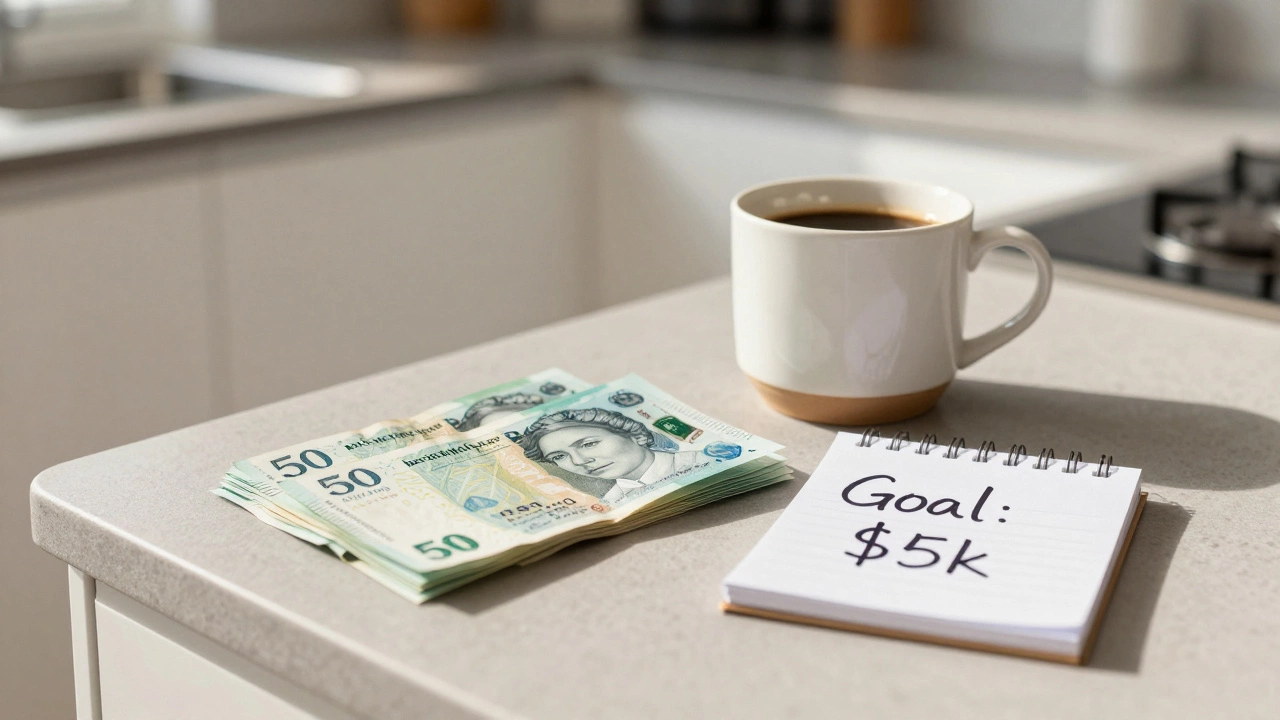
Picture this: it’s June 15, 2026. Your car transmission just gave out, or maybe your landlord is raising the rent unexpectedly. You need cash-fast. Not next year, not when you get that hypothetical raise. Now. Saving $5,000 in just three months sounds impossible if you’re living paycheck to paycheck, but it’s actually a matter of math and mindset. It requires saving roughly $1,667 per month, or about $55 per day. That number might make your stomach drop, but let’s break it down into pieces small enough to swallow.
This isn’t about magic tricks. It’s about aggressive temporary lifestyle changes. For these 90 days, you are going into financial war mode. Every dollar has a job, and its job is to sit in your bank account earning interest while you build a safety net. Here is exactly how to pull it off without losing your mind.
The Math Behind the Madness
Before you start cutting coupons, you need to know where you stand. Most people fail at saving goals because they guess their numbers. Don’t be most people. Pull up your last three months of bank statements. Look for patterns. Where did the money go?
To save $5,000 in 90 days, you have two levers: increase income or decrease spending. Usually, it’s a mix of both. If you take home $4,000 a month after tax, you need to live on $2,333. That leaves no room for error. You need a buffer. Aim to save $1,800 a month so you have wiggle room for unexpected fees or a birthday gift here and there.
- Month 1: Cut all non-essential spending. Sell unused items. Target: $1,500 saved.
- Month 2: Pick up extra work. Negotiate bills. Target: $1,800 saved.
- Month 3: Maximize every side hustle. No eating out. Target: $1,700 saved.
Write these numbers down. Stick them on your fridge. When you want to buy that new pair of sneakers, look at the number. Ask yourself: "Is this sneaker worth $55 of my goal?" Probably not.
Audit Your Fixed Costs
Your fixed costs are the anchors dragging you down. These are the bills that happen whether you like it or not. In 2026, with inflation still lingering in certain sectors, these numbers can creep up. You need to freeze them.
| Expense Category | Typical Monthly Cost (AUD) | Actionable Step | Potential Savings |
|---|---|---|---|
| Internet & Phone | $120 - $180 | Switch to a low-cost provider or downgrade plan | $40 - $60 |
| Streaming Services | $50 - $80 | Cancel everything except one service | $40 - $70 |
| Insurance | $150 - $300 | Shop around for better rates online | $50 - $100 |
| Gym Membership | $60 - $100 | Cancel and use outdoor spaces/bodyweight workouts | $60 - $100 |
Call your internet provider. Yes, really call them. Tell them you’re thinking of leaving. They will often offer a retention deal or a cheaper bundle. Do the same for your phone plan. Prepaid options are surprisingly robust in Australia now. If you don’t need unlimited data, switch to a capped plan. This alone can free up $100 a month.
Look at your subscriptions. How many streaming services do you actually watch? Keep one. Rotate the others. Cancel the gym membership if you haven’t been in three weeks. Download a free workout app. Walk more. Your legs won’t miss the treadmill, but your bank account will thank you.
The Food Budget Hack
Food is where most budgets bleed out. Eating out is a luxury you cannot afford right now. Even cooking simple meals at restaurants adds up. A casual dinner for two can cost $80-$100 AUD easily. That’s nearly two days of your savings goal gone in one night.
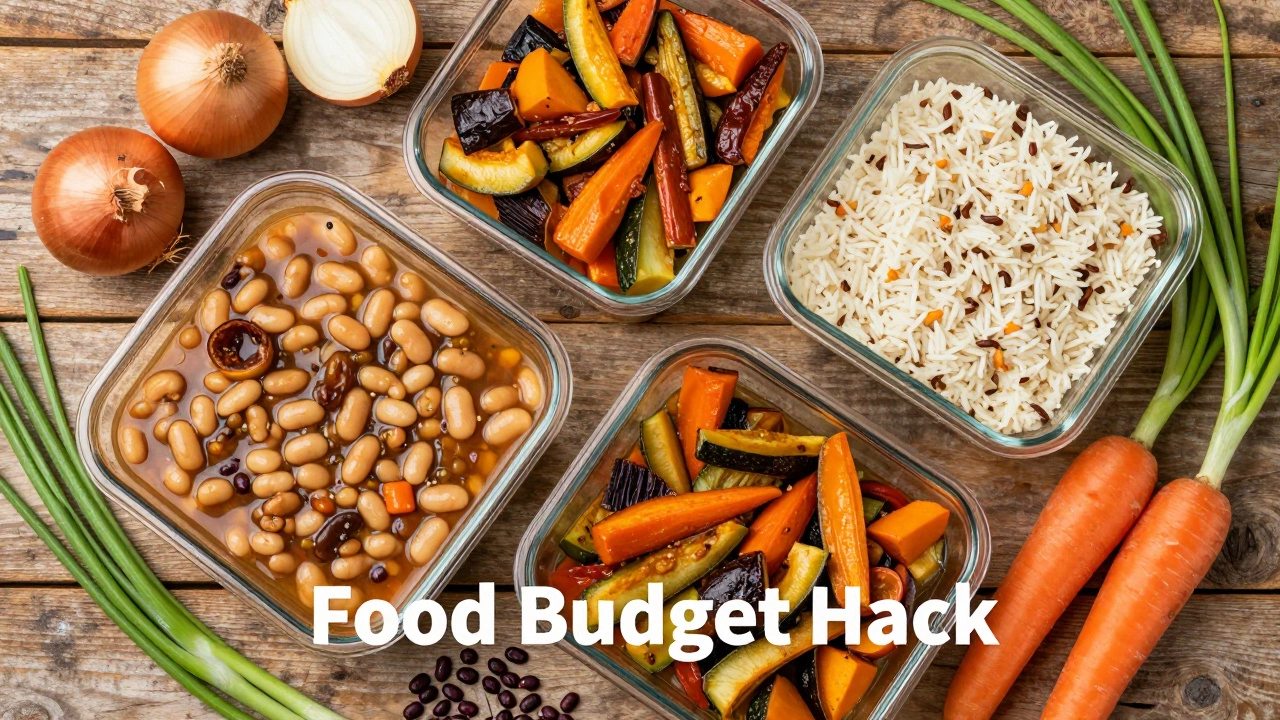
Here is the rule: Cook in bulk. On Sundays, spend two hours preparing large batches of rice, beans, chicken, and roasted vegetables. Portion them out for the week. This prevents the "I’m too tired to cook" excuse that leads to takeaway orders.
- Breakfast: Oatmeal with fruit or eggs. Cheap, filling, healthy.
- Lunch: Leftovers from dinner the night before. Pack it in a container.
- Dinner: Bean-based stews, pasta with homemade sauce, stir-fries with seasonal veggies.
Stop buying branded goods. Generic brands at supermarkets like Aldi or Woolworths’ own-label products are significantly cheaper and often made in the same factories as name brands. Coffee? Make it at home. A fancy latte is $6. Ground coffee makes 20 cups for $10. That’s $50 a month saved just on caffeine.
If you work, bring lunch every single day. Calculate the difference between buying lunch ($15) and making it ($3). Over 20 working days, that’s $240 saved. That’s almost half of your monthly target right there.
Sell Stuff You Don't Need
You probably have hundreds of dollars sitting in your house in the form of things you don’t use. Old phones, clothes that don’t fit, books you’ve already read, furniture you inherited. This is instant cash. It doesn’t require waiting for a paycheck.
List items on local marketplaces like Facebook Marketplace, Gumtree, or eBay. Price them fairly but firmly. If someone offers less, accept it if you need the cash quickly. Speed matters here.
Think about high-value items. Electronics sell fast. Brand-name clothing sells well. Even old textbooks can fetch money if students are looking. Set a goal: sell $1,000 worth of stuff in the first month. This gives you a head start. If you sell $1,000 immediately, you only need to save $1,250 a month for the remaining two months. That feels much more manageable.
Boost Income Temporarily
Cutting expenses has a limit. You can only eat so little rice. But income has no ceiling. To hit $5,000 in three months, you likely need to earn extra money. This is the hardest part because it takes time and energy, but it’s the fastest way to bridge the gap.
Look at your skills. Can you freelance? Writing, graphic design, coding, virtual assistance-these are all in demand. Platforms like Upwork or Fiverr can help you find quick gigs. Even small tasks add up. Five hours of tutoring a week at $40 an hour is $800 a month.
If you don’t have digital skills, look at physical labor. Weekend shifts at warehouses, event staffing, or delivery driving via apps like Uber Eats or DoorDash can generate significant cash flow. Many people in Sydney pick up extra shifts during peak seasons. Just remember: this is temporary. You are doing this for 90 days, not forever.
Another option: rent out assets. Do you have a spare room? Airbnb it out. Do you have a car you don’t use on weekends? Rent it on Turo. These passive income streams can cover a large chunk of your savings goal without active work.

Where to Park the Money
Once you have the cash, don’t leave it in a standard transaction account earning zero percent interest. In 2026, interest rates are still relatively favorable for savers. Open a High-Yield Savings Account (HYSA) or a Notice Deposit account.
These accounts offer higher interest rates because your money is locked away or restricted from easy access. This serves two purposes: it grows your money slightly (compound interest helps), and it creates friction. If you have to wait 30 days to withdraw, you’re less likely to dip into the fund for impulse buys.
Set up automatic transfers. As soon as you get paid, move your savings portion into this separate account. Out of sight, out of mind. Treat your savings like a bill that must be paid.
Maintain Momentum
Three months is a long time to live strictly. You will feel deprived. You will want to quit. This is normal. The key is to track your progress visually. Use a spreadsheet or a savings tracker app. Watch the number grow. Seeing $1,000 turn into $2,000 then $3,000 provides dopamine hits that keep you motivated.
Find accountability. Tell a friend or family member your goal. Ask them to check in on you weekly. Social pressure works. If you know someone else is watching, you’re less likely to skip a meal prep session or buy unnecessary gadgets.
Remember why you are doing this. Is it for peace of mind? A house deposit? Paying off debt? Keep that vision clear. When you’re hungry and tired, remind yourself of the endgame. Financial freedom starts with discipline. This three-month sprint builds the muscle you’ll need for the rest of your life.
Is it realistic to save $5000 in 3 months on a low income?
It is extremely difficult on a low income without additional support. If your take-home pay is under $3,000 AUD, saving $1,667 a month means living on very little. You may need to combine extreme frugality with significant side hustles or selling valuable assets. Consider extending the timeline to 6 months if possible, as the stress of such rapid saving can lead to burnout.
What should I do if I face an emergency while trying to save?
If a true emergency arises (medical issue, urgent repair), use the funds you have accumulated. The purpose of an emergency fund is to prevent debt. However, distinguish between emergencies and inconveniences. A broken nail is not an emergency; a broken water heater is. Adjust your daily savings target for the remaining weeks to compensate.
Can I save $5000 by just cutting expenses?
For most people, no. Cutting expenses alone rarely yields $1,667 per month unless you currently spend lavishly. Combining expense reduction with income generation is the most reliable strategy. Selling items provides a lump sum boost, but recurring savings come from consistent behavior changes and extra earnings.
Should I put this money in a regular savings account?
No. Regular transaction accounts often pay little to no interest. Look for a High-Yield Savings Account or a Term Deposit. Even a small difference in interest rates can add up over time, and the restriction on withdrawals helps prevent accidental spending. Compare rates from major banks and credit unions to find the best offer.
How do I stay motivated for 90 days?
Track your progress visually. Celebrate small milestones, like reaching $1,000 or $2,500. Find an accountability partner who checks in on you regularly. Remind yourself of the 'why' behind your savings goal. Visualizing the security or opportunity this money brings can help push through moments of temptation.