Disposable Income: What It Is and How It Shapes Your Financial Choices
When you hear disposable income, the money you have left to spend or save after paying taxes and essential living costs. Also known as take-home pay, it’s not your salary—it’s what actually lands in your account after deductions, and it’s the real number that decides if you can afford that new phone, pay down debt, or finally start investing. Most people think their paycheck is their money. But if you’re paying $1,200 a month in rent, $400 in groceries, $200 in utilities, and $300 in taxes, your $5,000 salary doesn’t leave you with $5,000 to live on. It leaves you with maybe $2,900. That’s your disposable income. And how you handle it—whether you spend it, save it, or waste it—makes all the difference in your financial life.
Disposable income doesn’t exist in a vacuum. It’s tied directly to budgeting, the process of tracking and planning how you use your money. If you don’t know what your disposable income is, you can’t build a real budget. You might think you’re saving, but if you’re spending your leftover cash on subscriptions you never use or eating out every night, you’re not building wealth—you’re just delaying financial stress. It’s also connected to debt repayment, how you pay off loans or credit cards using your available cash after essentials. If your disposable income is $500 a month and you owe $1,000 on a credit card at 20% interest, you need to know exactly how much you can realistically pay each month. Otherwise, you’ll keep rolling debt forward, paying more in interest than you ever planned.
And it’s not just about cutting back. Some people with high incomes still feel broke because their essentials eat up everything. Others on modest salaries build wealth by controlling their spending and directing every dollar of disposable income toward goals. That’s why the posts below don’t just talk about income—they show you how real people use what’s left after taxes, rent, and bills to get ahead. You’ll see how $50,000 a year can still qualify you for student aid, how remortgaging can change your cash flow, and why having $6,000 a month in retirement isn’t just a dream—it’s a plan. This isn’t about earning more. It’s about using what you already have better.
How much money should I have after bills? A realistic guide for Australian households
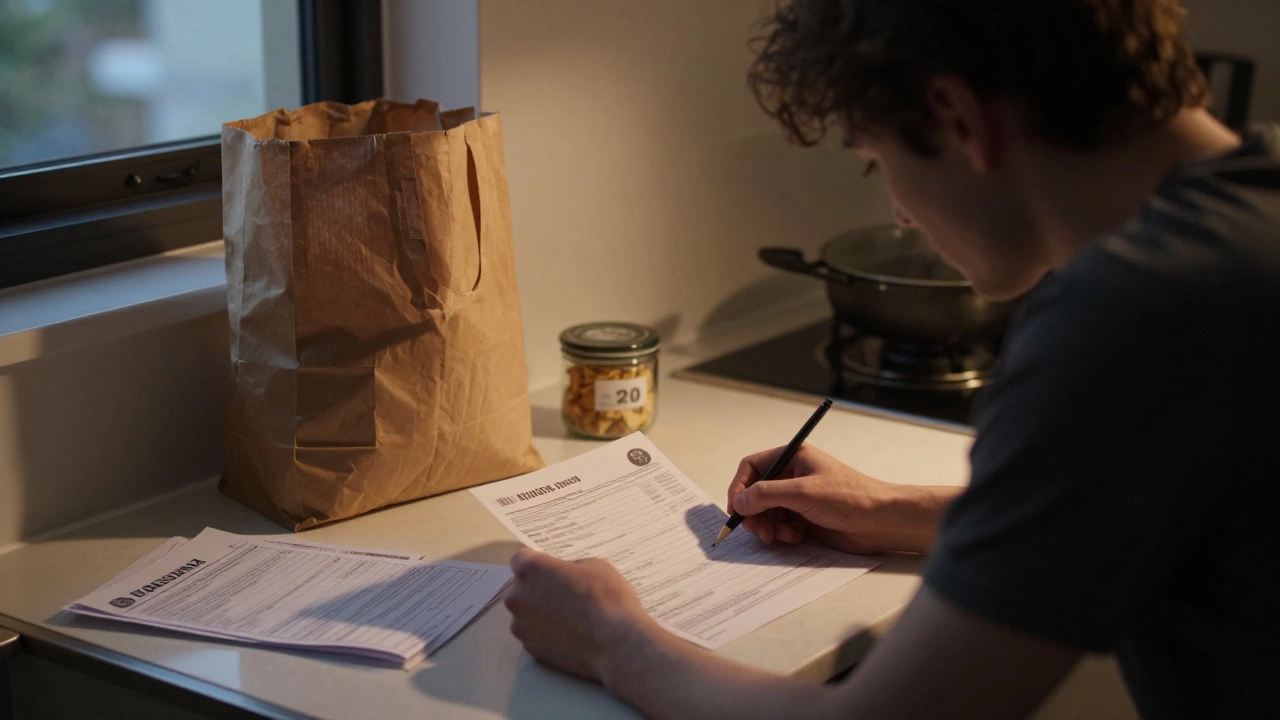
After paying bills, how much should you have left? In Australia today, most people are left with little to nothing. This guide shows realistic targets, real examples, and practical steps to build a safety net-even on a tight budget.
Read More >>