Personal Loan Approval: What Really Matters and How to Get It
When you apply for a personal loan approval, the process lenders use to decide whether to lend you money based on your financial history and current obligations. Also known as loan qualification, it’s not just about how much you earn—it’s about how responsibly you’ve handled money in the past. Many people think a high income guarantees approval, but that’s not true. Lenders look at your credit score, a three-digit number that shows how likely you are to repay borrowed money first. A score below 600 can block you from decent rates, even if you make $80,000 a year. On the flip side, someone with a 720 score and a $40,000 income might get approved with lower interest than someone with a 580 score and double the income.
Debt consolidation loan, a type of personal loan used to combine multiple debts into one payment is one of the most common reasons people apply. But lenders see it differently than you do. If you’re using a loan to pay off credit cards, they’ll check your credit utilization ratio. If you’re maxed out on your cards, they assume you’re living beyond your means—even if you have a steady job. Your debt-to-income ratio matters too. If your monthly debt payments (including rent, car loans, and minimum credit card payments) are more than 40% of your income, approval gets much harder. You don’t need to be debt-free, but you do need to show you can handle more.
What most applicants miss is how small changes can make a big difference. Paying down a credit card by $500 before applying can lift your score enough to drop your interest rate by 2-3%. Closing old accounts? That can hurt you. Lenders like to see a long credit history, even if it’s not perfect. And applying to five lenders in two weeks? That’s a red flag. Each hard inquiry can knock 5-10 points off your score. Better to pick one or two, get prequalified, then apply only if the terms make sense.
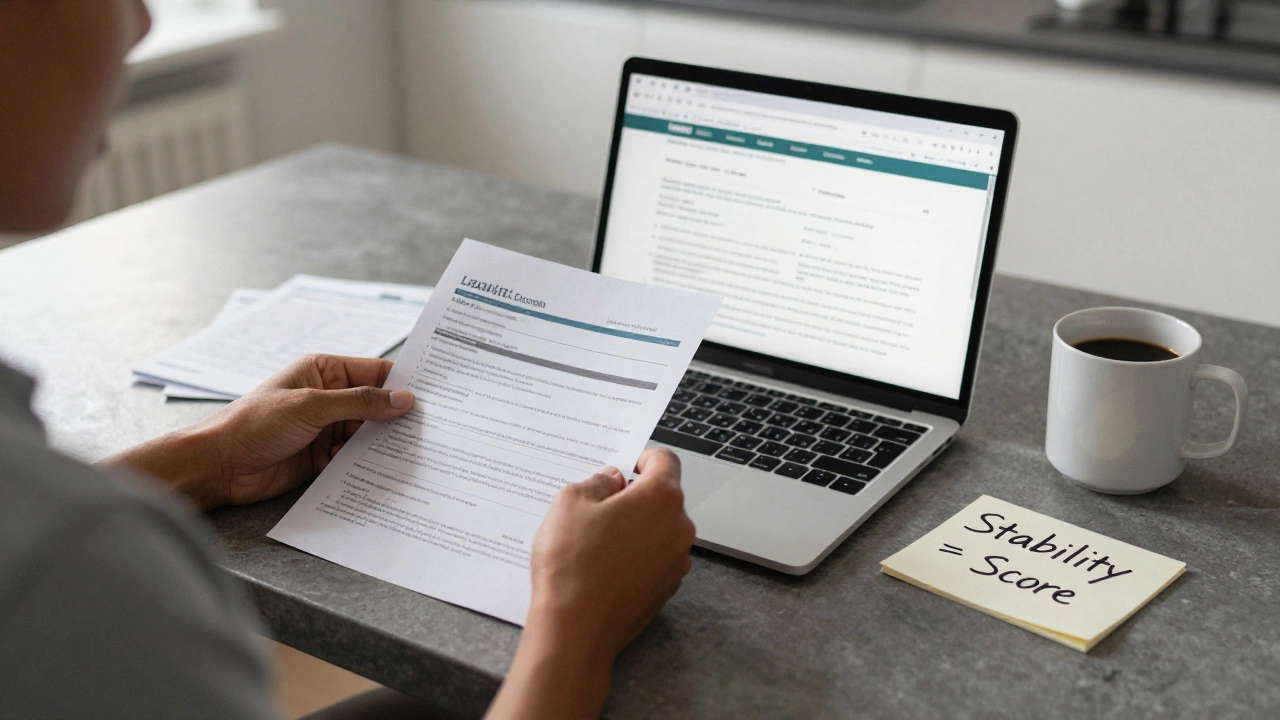
There’s no magic number for income, but lenders do have thresholds. A $30,000 annual income isn’t too low if you have no other debt and a 700+ score. A $100,000 income won’t help if you’re juggling $20,000 in credit card balances and missed payments last year. The real key is stability—steady job, consistent income, and a track record of paying bills on time. That’s what lenders trust.
And don’t forget the fine print. Some lenders charge origination fees up to 8%. Others lock you into long terms—seven years—to lower your monthly payment. That might sound good, but you’ll end up paying thousands more in interest. A personal loan term, the length of time you have to repay the loan, typically between 1 and 7 years should match your goal. Paying off a $5,000 loan in 7 years just to save $50 a month? That’s not smart. Paying it off in 3 years might cost more each month, but you’ll save hundreds—and get out of debt faster.
Below, you’ll find real examples of what worked for people in similar situations. Some got approved with bad credit. Others saved thousands by choosing the right term. No fluff. No guesswork. Just what actually happens when you apply—and how to make sure you’re not the one who gets turned down for the wrong reasons.
Is It Hard to Get a $4000 Personal Loan? Here’s What Actually Matters
Getting a $4000 personal loan in Australia isn’t impossible - even with bad credit. Learn what lenders really check, where to apply, and how to improve your chances without falling for scams.
Read More >>What is the easiest bank to get approved for a personal loan?

Finding the easiest bank to get approved for a personal loan isn't about big names-it's about lenders who look at your income and spending, not just your credit score. Here's who actually says yes when others say no.
Read More >>