Retirement Income Tax: What You Pay and How to Keep More
When you start drawing retirement income, retirement income tax, the tax applied to money you receive after leaving work, including pensions, annuities, and withdrawals from savings. Also known as pension taxation, it’s not automatic—you still need to know what’s taxable and what isn’t to avoid overpaying. Many people assume their state pension is tax-free, but it’s not. It’s part of your total income, and if you earn above the personal allowance, you’ll pay tax on it. The same goes for workplace pensions, private pensions, and even some investment income you pull out after 55. The key isn’t just how much you saved—it’s how you withdraw it.
Not all retirement income is treated the same. Your state pension, the government-provided payment you get after reaching state pension age. Also known as UK state retirement benefit, it doesn’t come with tax taken off at source, so you might get a tax bill later. Your private pension, a savings plan you or your employer paid into, like a SIPP or workplace pension. Also known as defined contribution pension, it is taxed when you take money out—usually 25% tax-free, the rest taxed as income. Then there’s ISA withdrawals, money pulled from a tax-free savings account. Also known as Individual Savings Account, it—this is one of the few retirement income streams you can touch without paying a penny in tax. That’s why stacking your ISA alongside your pension can make a huge difference in how much you actually keep.
People often miss the bigger picture: tax bands shift once you retire. Your income drops, but you might still be in the 20% or even 40% bracket if you take large lump sums. That’s why spreading withdrawals over years, using your tax-free allowance wisely, and timing withdrawals around other income (like rental or part-time work) can cut your bill by hundreds—or thousands—each year. And if you’re still working part-time while drawing a pension? That income stacks up fast. You might not realize you’ve crossed into a higher tax band until HMRC sends you a bill.
What you’ll find below are real, no-fluff answers to questions like: How much of your state pension is taxed? Can you avoid tax on your pension by using an ISA? What happens if you take a lump sum at 55? Is there a limit to how much you can withdraw without triggering extra tax? These aren’t theory questions—they’re the ones people actually face when they stop working. The posts here cut through the noise and show you exactly how retirement income tax works in practice, with real numbers, real examples, and no jargon.
At What Age Is Social Security No Longer Taxed?
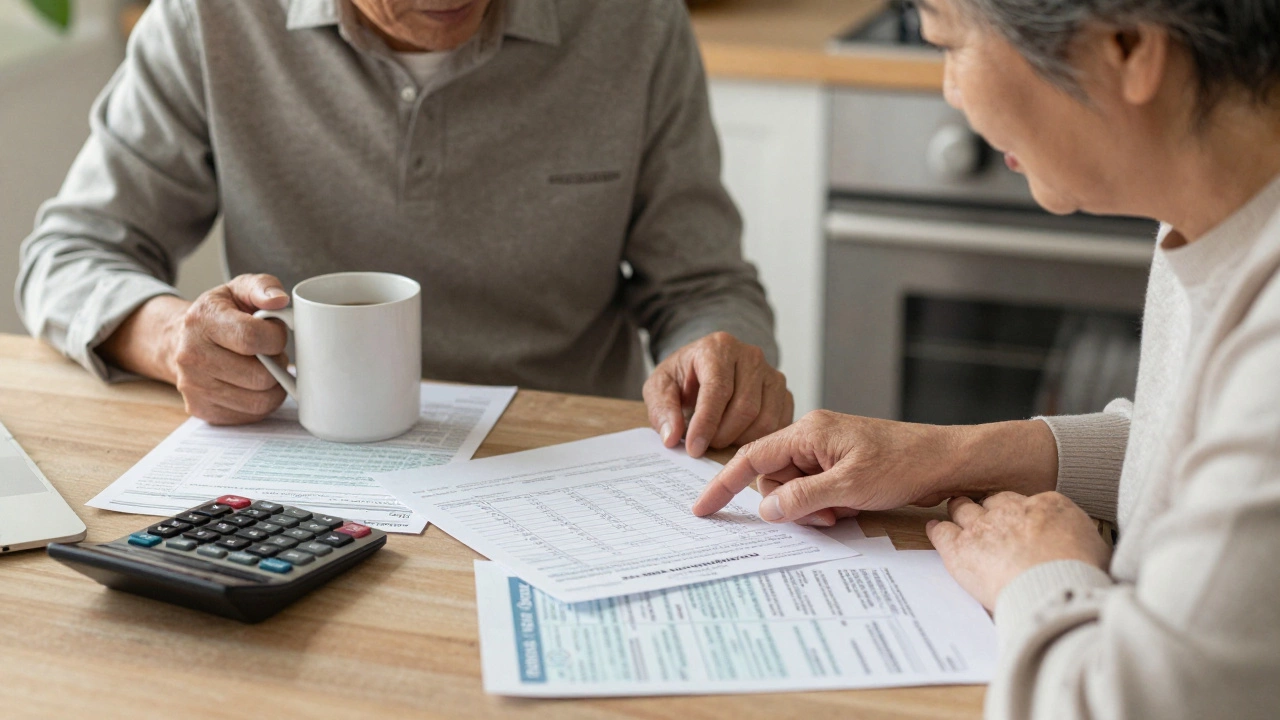
There's no age when Social Security stops being taxed. Whether you pay taxes on your benefits depends on your total income, not your age. Learn how to reduce or avoid taxes on Social Security in retirement.
Read More >>