Social Security Taxation: What You Really Pay and How to Keep More
When you receive Social Security, a U.S. government program that provides monthly payments to retired workers, disabled individuals, and survivors. Also known as SSA benefits, it’s not automatically tax-free—even though many assume it is. The truth? Up to 85% of your Social Security payments can be taxed, depending on your other income. It’s not about how much you paid in—it’s about how much you’re making now.
If you’re retired and pulling in money from a pension, 401(k), investments, or even part-time work, those earnings push your total income higher. The IRS uses something called combined income, your adjusted gross income plus nontaxable interest plus half of your Social Security benefits to decide if you owe taxes. For single filers, if that number hits $25,000, you might pay tax on up to 50% of your benefits. Over $34,000? That jumps to 85%. For couples filing jointly, the thresholds are $32,000 and $44,000. No one tells you this when you sign up.
What’s worse? Many people don’t realize their tax bill can rise just because they took a lump sum from their IRA or sold a house. Even a small change in income—like a bonus or a Roth conversion—can flip you into a higher tax bracket for Social Security. That’s why planning matters more than ever. You can’t control how much Social Security you get, but you can control how much you pay in taxes on it.
There are ways to lower your combined income. Delaying Social Security until 70 can reduce the years you need to draw it. Shifting withdrawals from traditional IRAs to Roth accounts over time can smooth out your taxable income. Even simple moves like holding investments in tax-efficient funds or timing capital gains can make a difference. It’s not about avoiding taxes—it’s about managing them so they don’t eat up your retirement.
This page brings together real stories and practical breakdowns from people who’ve been there. You’ll find answers to questions like: Can you get FAFSA if you make $100K? What’s the US version of an ISA? How do retirement accounts affect your Social Security taxes? We don’t guess—we show you what actually happens when income, taxes, and benefits collide.
At What Age Is Social Security No Longer Taxed?
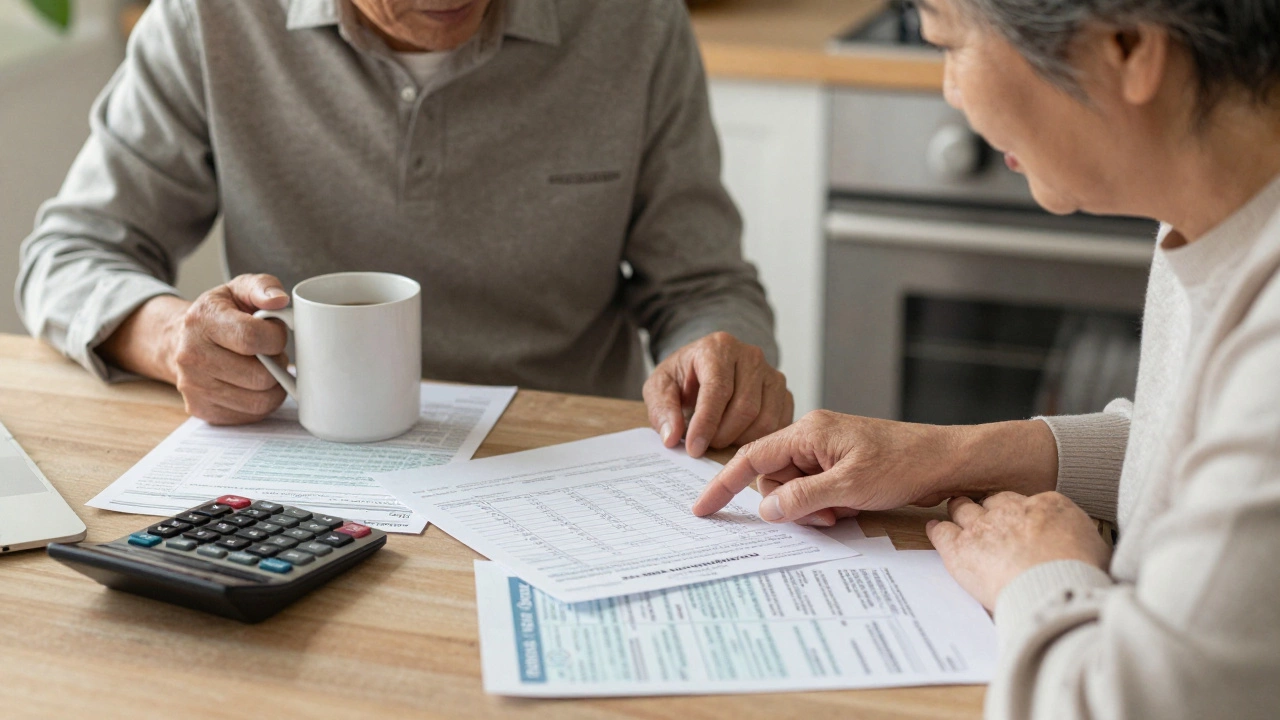
There's no age when Social Security stops being taxed. Whether you pay taxes on your benefits depends on your total income, not your age. Learn how to reduce or avoid taxes on Social Security in retirement.
Read More >>