
Personal Loan Cost Estimator
Loan Details
Enter your details and click Calculate to see a breakdown of costs across different loan terms.
Money moves fast, but debt sticks around. If you need cash now-whether it’s for a surprise car repair, medical bill, or home upgrade-the last thing you want is to pay thousands in extra interest over the next few years. The question isn't just "where can I get money?" It's "what is the cheapest personal loan I can actually qualify for right now?"
The answer depends less on which bank has the flashiest website and more on your specific financial profile. In May 2026, interest rates are stabilizing, but lenders are still picky. The gap between the rate offered to someone with perfect credit and someone with average credit can be massive. Understanding how that gap works is the first step to saving money.
Know Your Numbers Before You Apply
You cannot find the cheapest deal if you don't know what you're working with. Lenders look at two main things: your ability to repay (income vs. debt) and your willingness to repay (credit history).
Your Credit Score is the biggest lever you have. In Australia, this usually means your Equifax, Experian, or Illion report. A higher score signals lower risk, which translates directly to a lower interest rate. But it's not just the score; it's the trend. Did you recently open several new credit cards? That might look like desperation to an algorithm, even if your score is decent.
Next, calculate your Debt-to-Income Ratio (DTI). This is simple math: add up all your monthly debt payments (rent/mortgage, car loans, credit card minimums) and divide by your gross monthly income. If this number is above 40%, you will struggle to get competitive rates. Lenders see high DTI as a red flag that one emergency could wipe you out. Lowering this ratio before applying-even by paying off a small credit card balance-can drop your offered rate significantly.
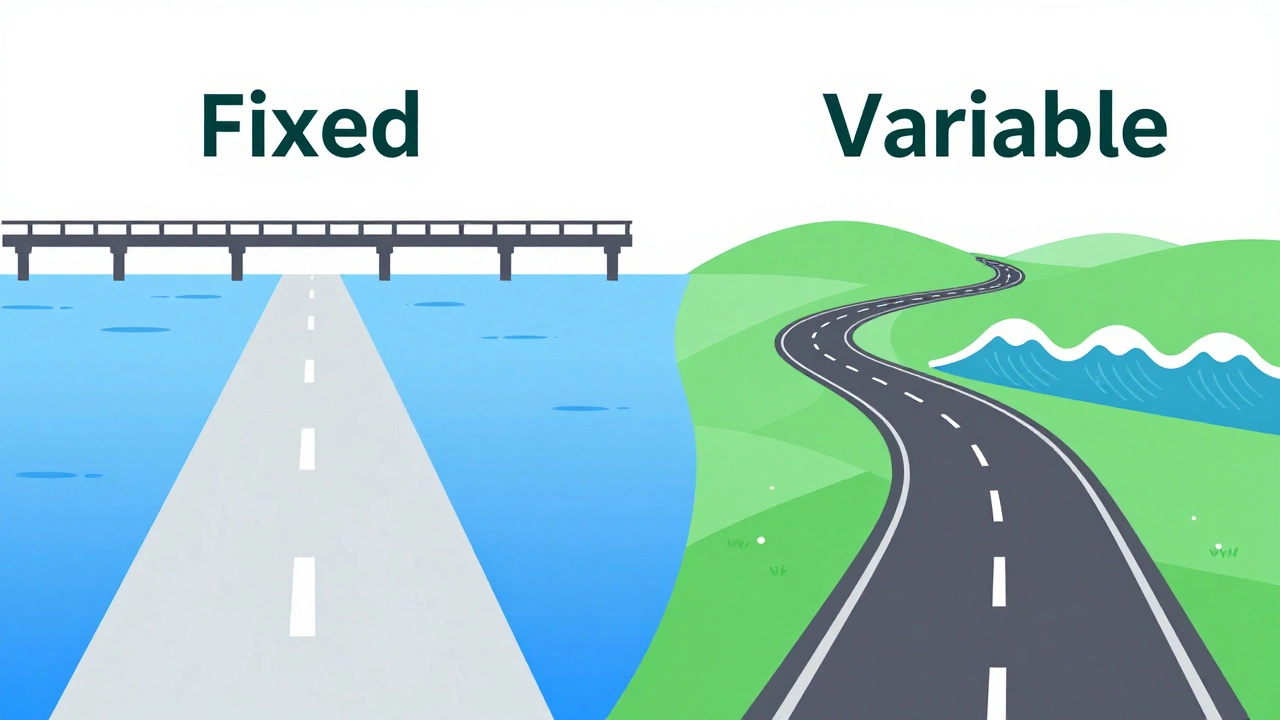
Compare Interest Rate Types: Fixed vs. Variable
When shopping for loans, you'll see two main pricing structures. Choosing the wrong one can cost you dearly if market conditions shift.
| Feature | Fixed Rate | Variable Rate |
|---|---|---|
| Predictability | High. Payments stay the same. | Low. Payments can change with the RBA cash rate. |
| Initial Cost | Often slightly higher starting rate. | Often lower starting rate. |
| Risk | You miss out if rates drop. | You pay more if rates rise. |
| Best For | Budget certainty, rising rate environments. | Short terms, falling rate environments. |
In 2026, with inflation cooling but not gone, fixed rates offer peace of mind. However, variable rates from non-bank lenders can sometimes start lower. Always ask: "What happens to my payment if the Reserve Bank of Australia raises rates by 0.25%?" If the answer makes you nervous, stick to fixed.
Look Beyond the Big Banks
It feels safe to go to the big four banks (CBA, Westpac, NAB, ANZ). They have branches on every corner. But they also have massive overhead costs and strict compliance teams. This often means slower decisions and higher margins on personal loans.
Non-Bank Lenders and digital-first banks often undercut them. Companies like Upstart, Prosper Money, or newer fintech apps use automated underwriting. They process applications in minutes, not days, and because their operating costs are lower, they can pass some savings to you. However, read the fine print. Some non-banks charge higher upfront fees to offset the lower interest rate. Always compare the Comparison Rate, not just the headline interest rate. The comparison rate includes fees and gives you the true cost of borrowing.
The Power of Secured Loans
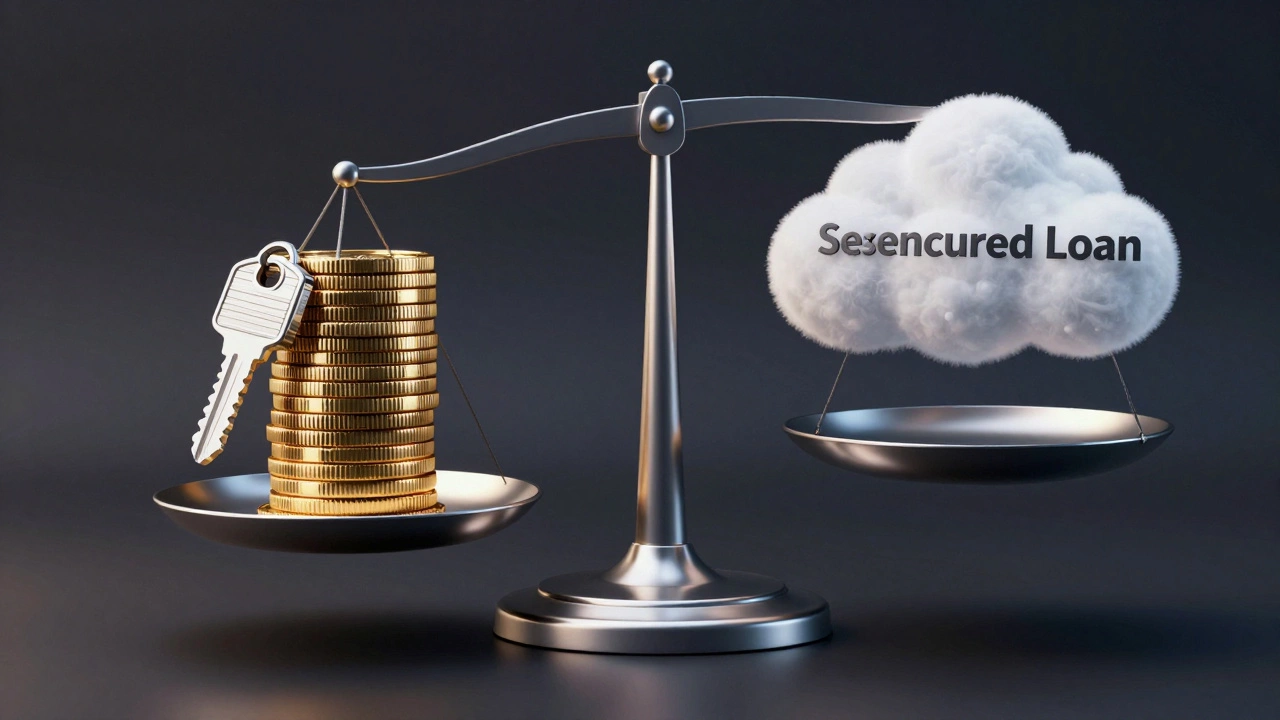
If you truly want the lowest possible rate, consider collateral. An unsecured personal loan relies entirely on your promise to pay. A secured loan ties the money to an asset, like your car or a term deposit.
A Secured Personal Loan typically offers rates 1-3% lower than unsecured options. Why? Because if you default, the lender takes your asset. That reduces their risk, so they charge you less. Is it worth risking your car? Only if the interest savings are substantial and you are confident in your repayment ability. For most people seeking quick cash for consumption, unsecured is standard. But if you have a spare term deposit sitting idle, using it as security can unlock near-mortgage level rates.
Reduce the Term, Save the Total
Here is a counterintuitive tip: shorter loan terms often come with lower interest rates, and they save you massive amounts in total interest paid.
Lenders prefer shorter commitments because there is less time for things to go wrong. If you borrow $10,000, a 5-year term might offer a 7% rate, while a 3-year term might offer 6.5%. More importantly, over 5 years, you pay roughly $1,800 in interest. Over 3 years, you pay about $900. Yes, your monthly payment is higher with the shorter term, but you exit debt faster and cheaper. If your budget allows, always choose the shortest term you can comfortably afford.
Avoid the "Easy Approval" Trap
Be wary of ads promising "guaranteed approval" or "bad credit loans." These are rarely cheap. Predatory lenders target people who have been rejected elsewhere. They charge exorbitant interest rates (sometimes exceeding 40%) and bury fees in complex contracts. While they solve the immediate cash problem, they create a long-term financial crisis. If you have poor credit, focus on repairing it first through responsible credit card use or a small, manageable installment loan before seeking larger sums.
Step-by-Step: How to Find the Best Deal
- Check your credit report: Pull free reports from Equifax, Experian, and Illion. Dispute any errors immediately.
- Calculate your budget: Determine exactly how much you can pay monthly without stretching too thin.
- Use comparison sites: Platforms like Canstar, Finder, or RateCity aggregate offers. Use their filters to set your amount and term.
- Pre-qualify softly: Many online lenders offer "soft checks" that show you an estimated rate without impacting your credit score. Do this for 3-5 lenders.
- Compare Comparison Rates: Ignore the headline APR. Look at the comparison rate which includes establishment fees.
- Negotiate: If you have an existing relationship with a bank, call them. Tell them you found a better rate elsewhere. They may match it to keep your business.
FAQ: Common Questions About Cheap Personal Loans
What is the current average interest rate for personal loans in Australia?
As of mid-2026, average personal loan rates range from 6.5% to 12% for borrowers with good credit. Rates can exceed 15% for those with weaker credit profiles. Non-bank lenders may offer rates closer to the lower end for prime borrowers.
Does applying for multiple loans hurt my credit score?
Yes, each hard inquiry can drop your score slightly. However, if you apply within a short window (e.g., two weeks), many scoring models treat these as a single event for rate shopping. To minimize impact, use soft-check pre-qualification tools first.
Can I get a personal loan with no credit history?
It is difficult but not impossible. Some lenders accept alternative data like rent payments or utility bills. However, expect higher interest rates and lower loan amounts. Building credit with a secured credit card is a better long-term strategy.
What fees should I watch out for?
Look for establishment fees (upfront charges), monthly service fees, and early repayment penalties. A cheap loan with a high establishment fee might not be cheap in the long run. Always check if there are fees for paying off the loan early, as this limits your flexibility.
Is a personal loan cheaper than a credit card?
Generally, yes. Credit cards often carry interest rates of 15-20% or more, especially if you only make minimum payments. Personal loans typically have lower fixed rates and structured repayment plans, preventing debt spiral.